
Climate·5 June 2020
World Environment Day: Global institutions call for a global green recovery
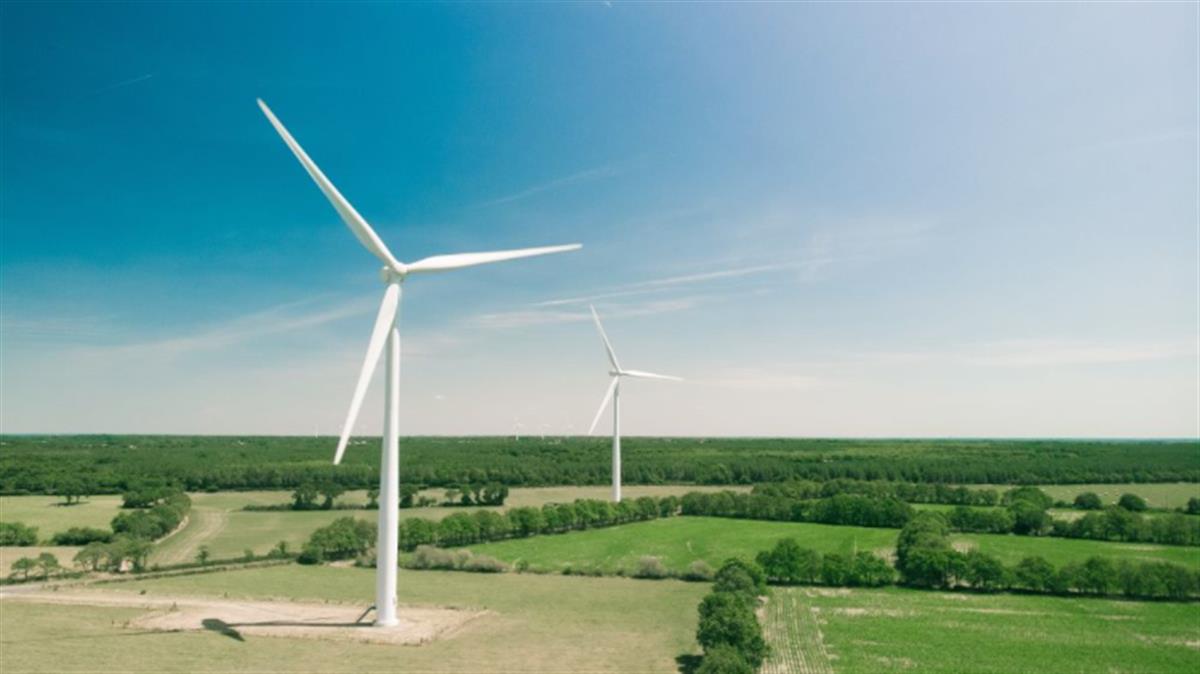
The Partners for Inclusive Green Economy, made up of several institutions including the OECD, UNEP, UNDP and GGGI, are calling for recovery efforts that recognise the interdependencies between human and environmental health.
05 June 2020 - Rachel Cooper
On World Environment Day, global institutions working on development, labour and environment have united around key actions for spurring a green, just and transformative recovery.
The Partners for Inclusive Green Economy, made up of several institutions including the OECD, UNEP, UNDP and GGGI, are calling for recovery efforts that recognise the interdependencies between human and environmental health.
They aim to build resilience to even more profound risks on the horizon - biodiversity loss, widening inequality and climate change.
If these efforts of countries and decision makers can build towards deeper and more integrated policy approaches, the report says that the response to COVID-19 could provide a powerful accelerator for achieving the Sustainable Development Goals (SDGs) and the Paris Agreement.
Together, the partner organisations have identified the following ten policy options that will guide a fast, fair and green recovery.
One policy initiative is advancing national green economy plans and COVID-19 recovery plans to build long-term resilience and prosperity. To build on this, the report says they will look to accelerate the energy transition and tackle fossil fuel subsidies, a key solution to reaching the net zero target by 2050.
To accelerate the private sector transition to greener practices, they will focus on prioritising small and informal enterprises.
Kumi Kitamori, Head of Green Growth at the OECD, said: “The COVID-19 pandemic and associated policy responses have highlighted the interconnectedness and fragility of our socioeconomic systems. Pursuing economic recovery, social protection as well as human and ecosystem health need to be an overarching goal for countries. We need to build a more resilient, inclusive and sustainable economic model that prioritises green and low-carbon policies.”
Oliver Greenfield, Convenor of the Green Economy Coalition, said: “Lurching from one crisis to another, with even larger crises looming, is neither acceptable, nor inevitable. The COVID-19 response represents a profound fork in the road, a choice on which path to choose. It is time to get serious about change and to put improving the health of nature and reducing inequality at the heart of our recovery.”
Read the full report here.
SOURCE: CLIMATE ACTION
Keep reading
Climate·3 September 2026
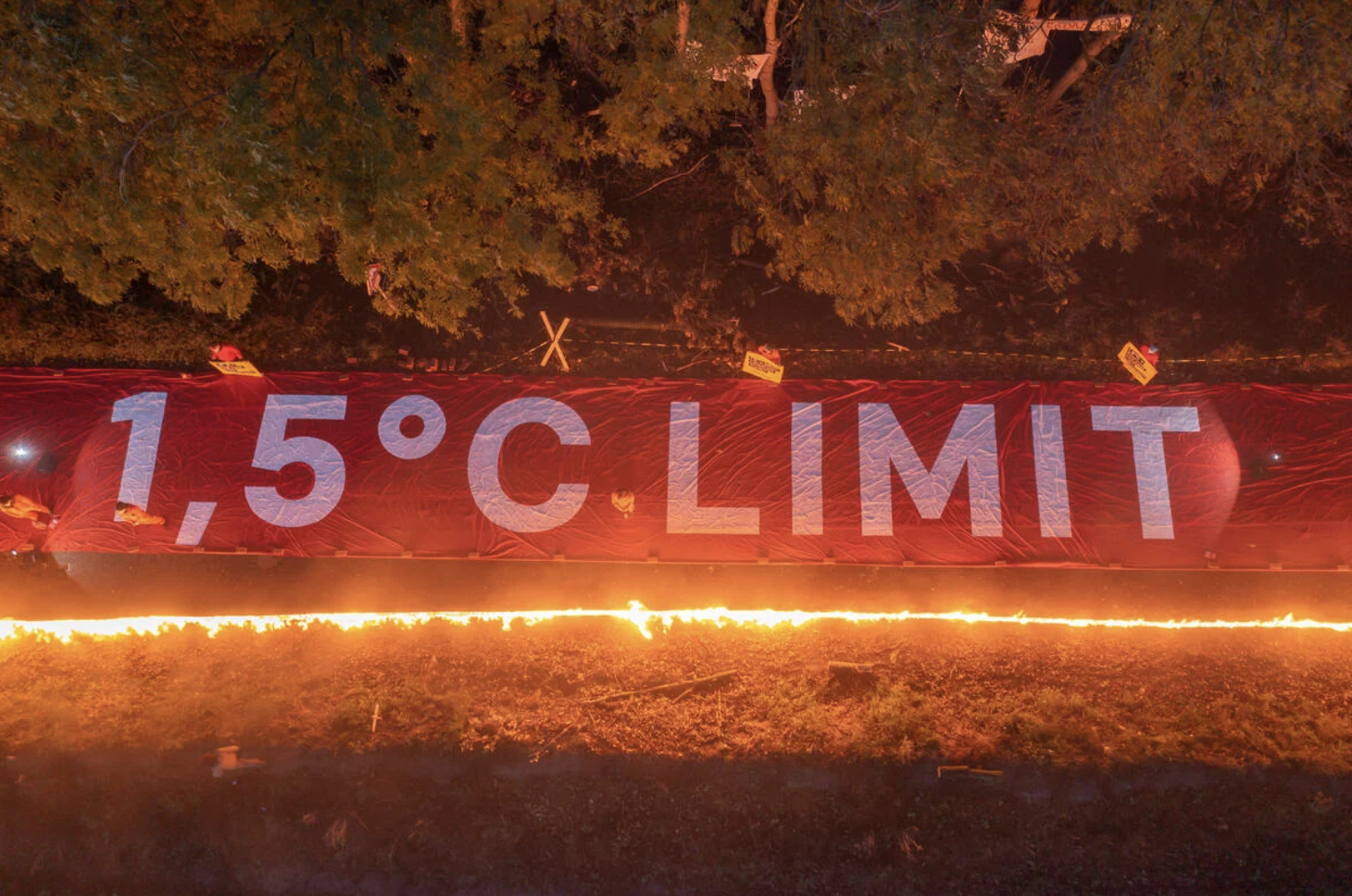
Why the UNEP 1.5°C overshoot report must be an urgent call to action on climate change
As Greenpeace International explains in its policy briefing, a just transition is more than simply swapping coal, oil and gas for renewables. It is an opportunity to transform energy, transport, industrial and other systems so they are more secure and affordable, reduce inequality, protect ecosystems and shift power from elites and multi-billion-dollar corporations to people.
GREENPEACE · 8 min read
Climate·7 August 2026
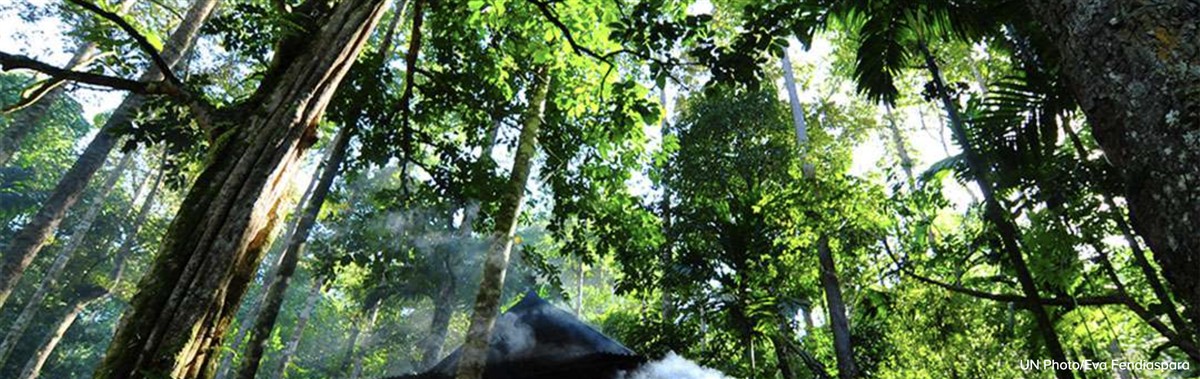
Preserving Indigenous Wisdom Requires Protecting Forests
By Sophie Grouwels, Forestry Officer, Forest and Farm Facility, FAO
SDG KNOWLEDGE HUB · 4 min read
Climate·30 July 2026
Global Commons Alliance: Systems Change Explained
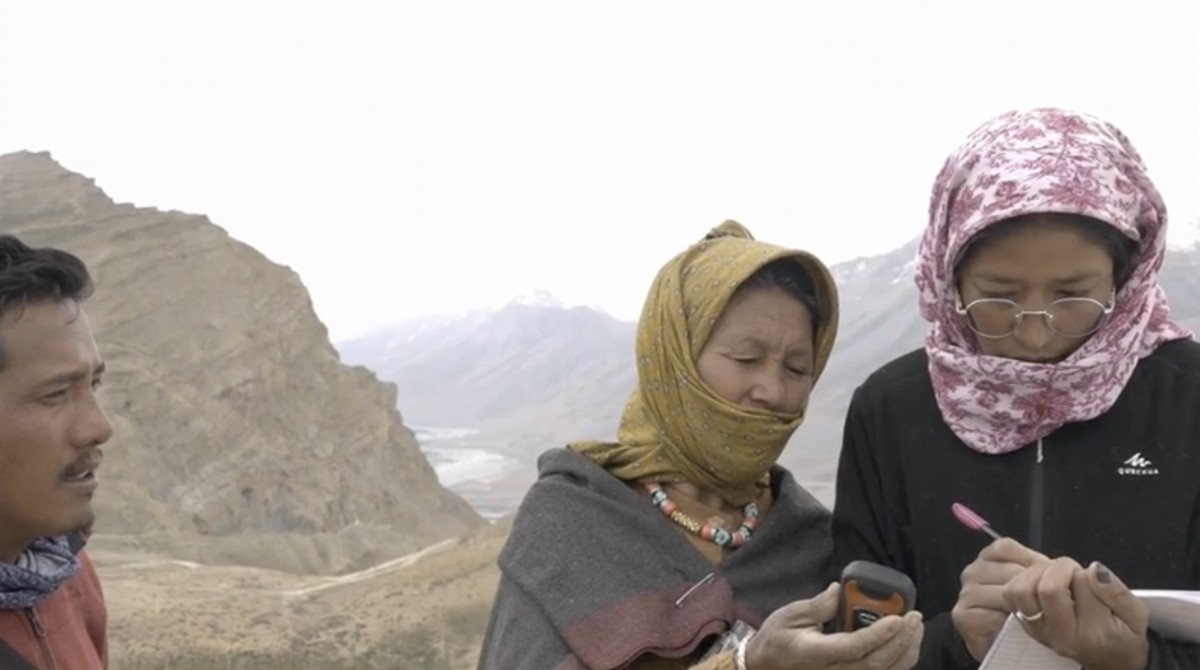
What does systems change actually mean? Watch the fourth video in our global commons e xplainer series , to find out what systems change means, why it’s urgent, and how it actually happens in practice.
GLOBAL COMMONS ALLIANCE · 1 min read