
International music & film
Beautiful films, music and live encounters that bring stories across borders.
An Ecological Truth
New media for a kinder era
A forum for considered debate, creative exchange and participatory democracy — bringing art, ideas and people into one shared space.
Agora — the forum, assembly, gathering place.
The place
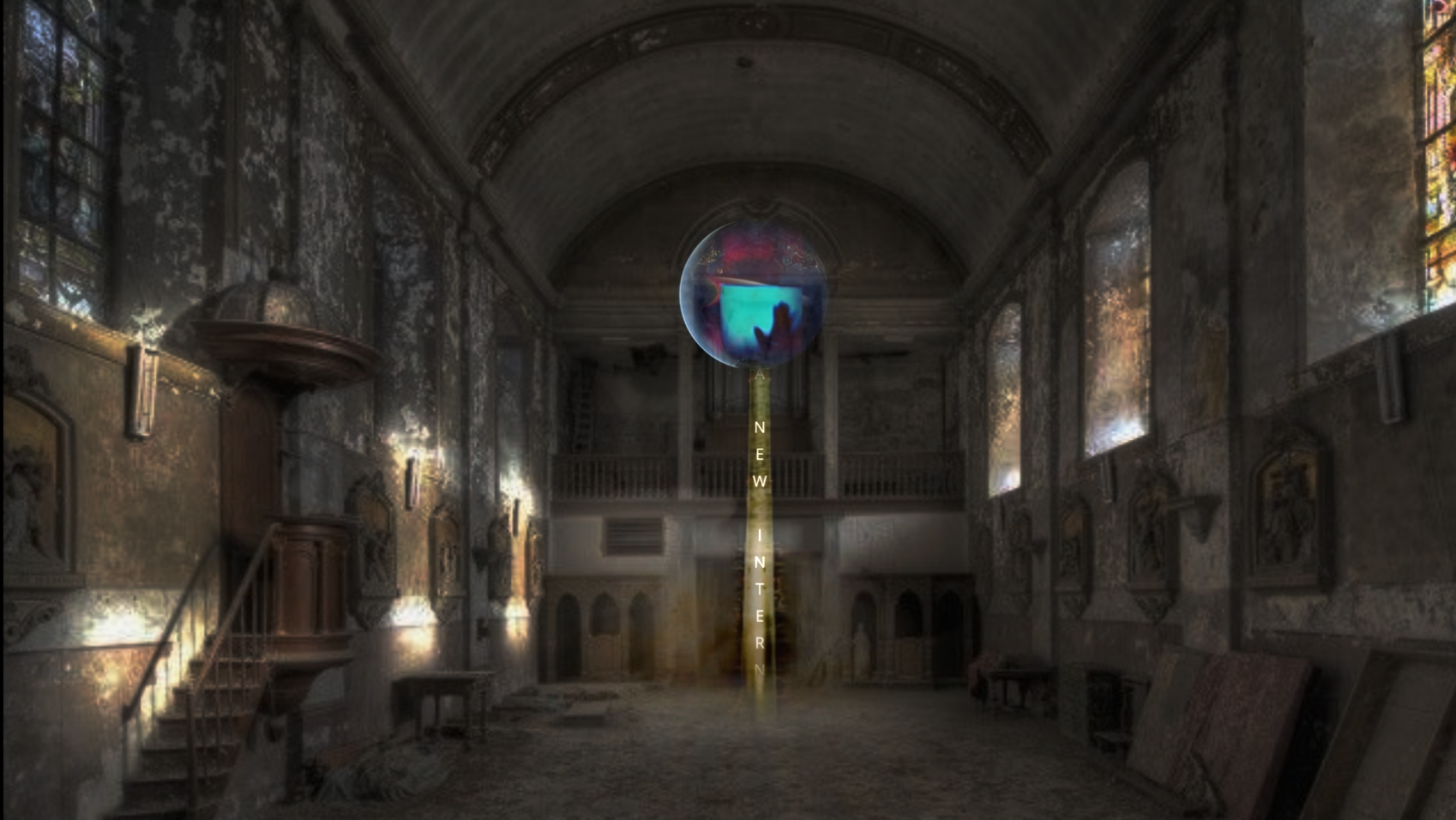
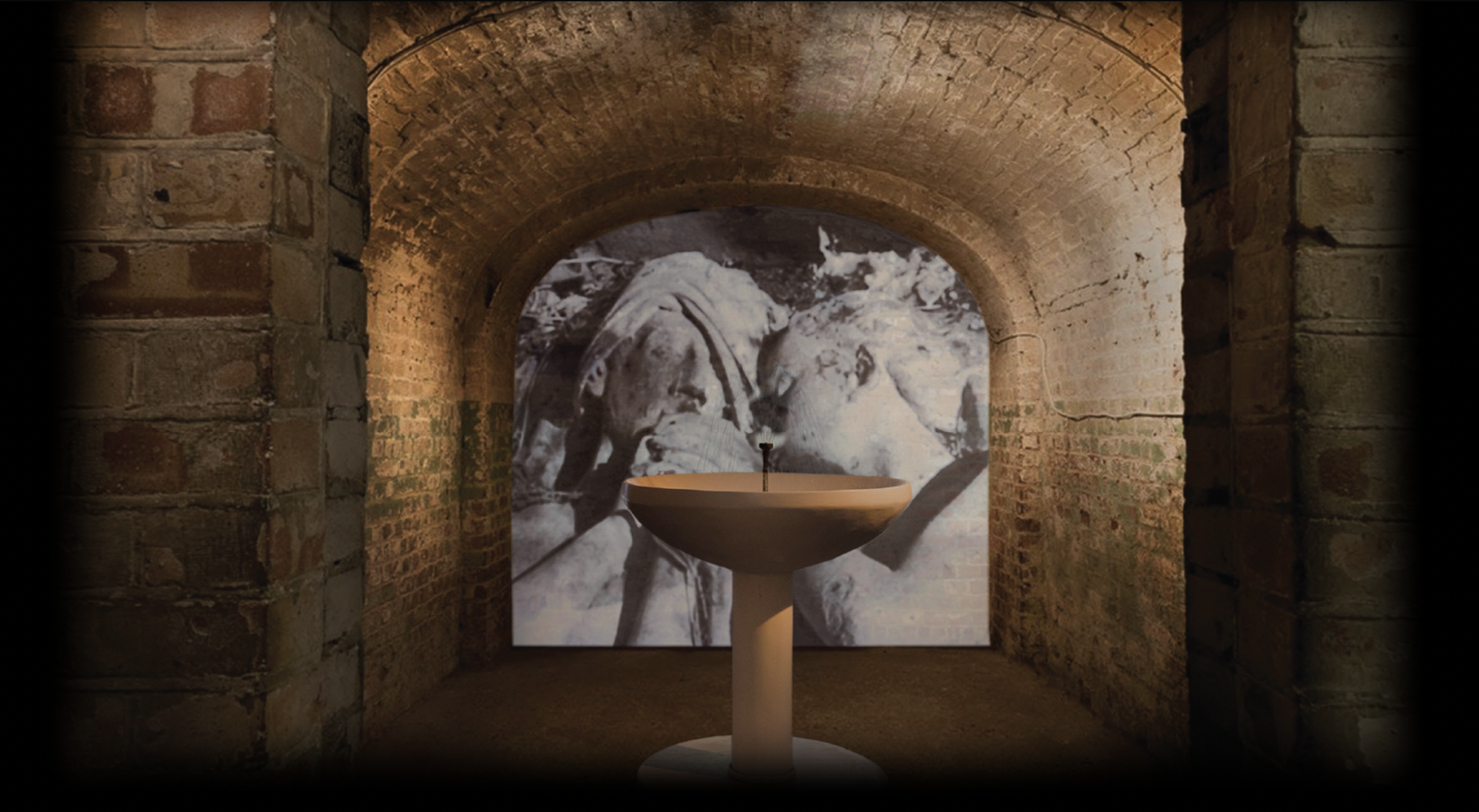
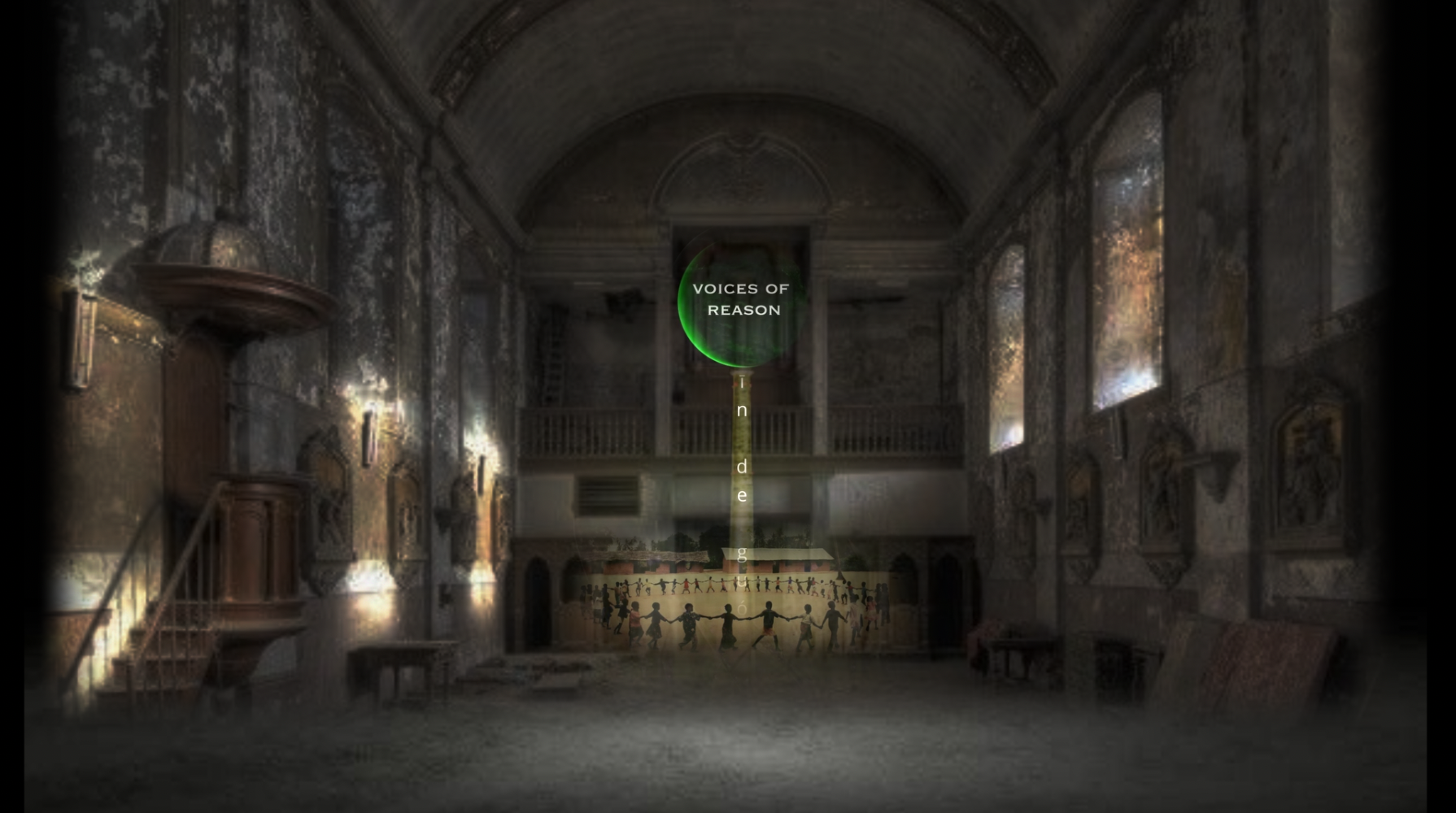
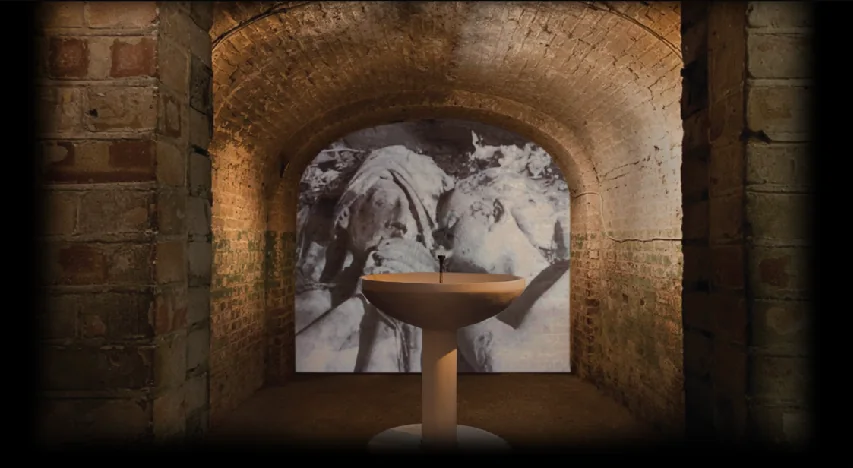
Agora is the physical expression of the Olive Network: an olive garden, a multilingual fountain, beautiful books and quiet screens. A space where culture meets civic life, and where long-term thinking becomes tangible.
Programme
A living programme of art, film, research and conversation for the questions of our time.
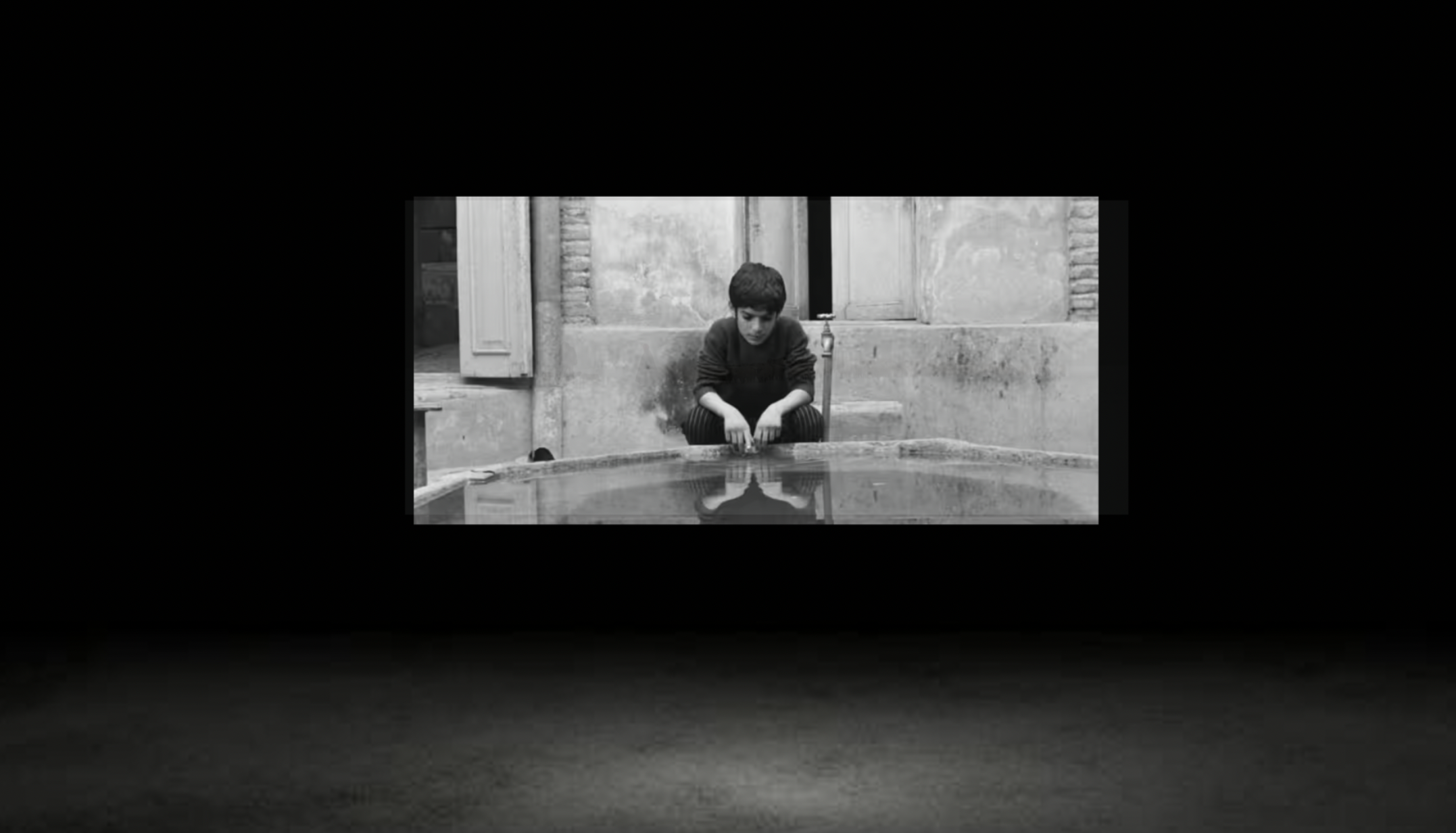
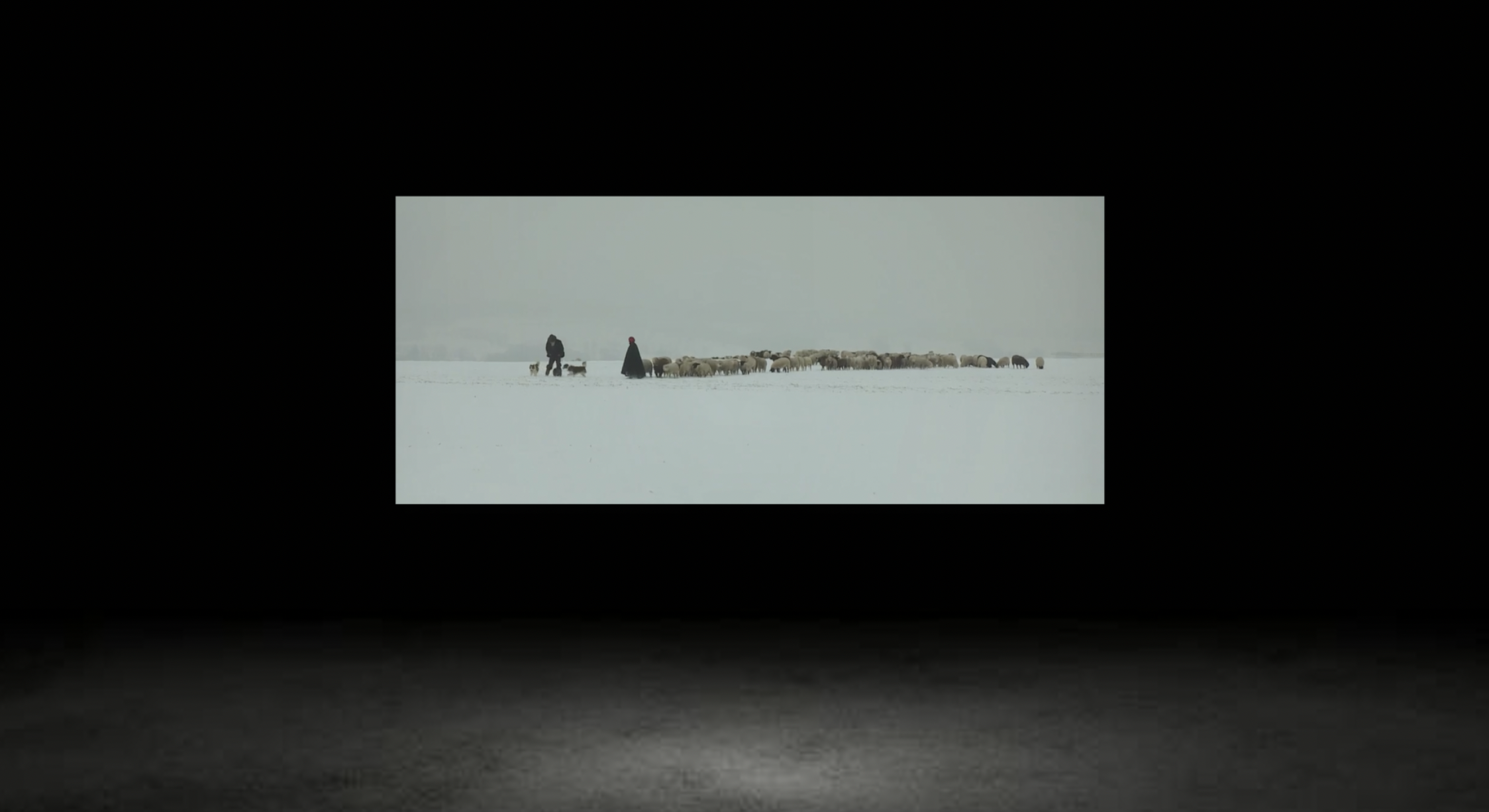
Beautiful films, music and live encounters that bring stories across borders.
Conversations on dwelling, architecture, sustainability, degrowth and the ways we live together.
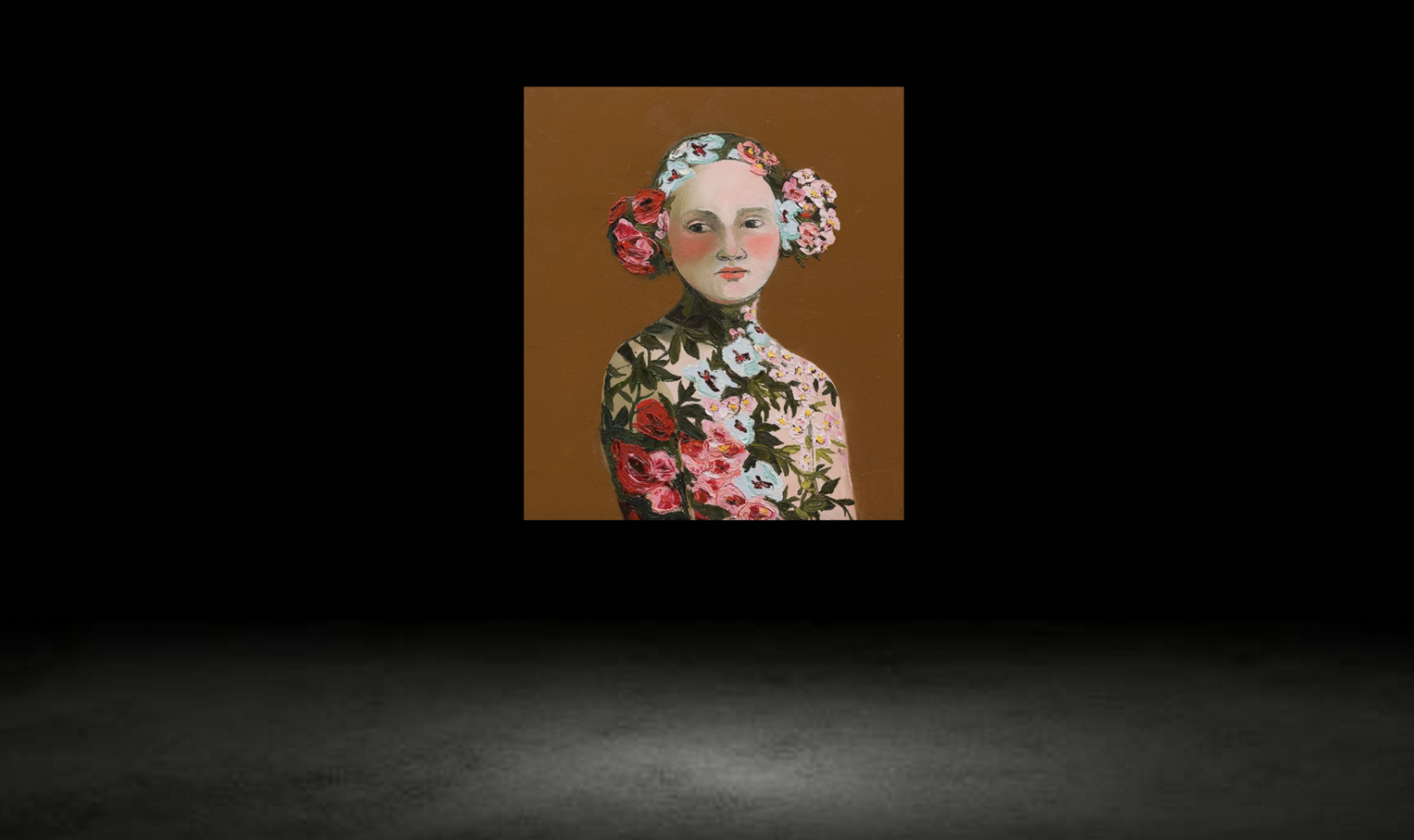
Artworks, ancient books and interactive screens gathered into a living homage to humanity.
Citizens’ assemblies
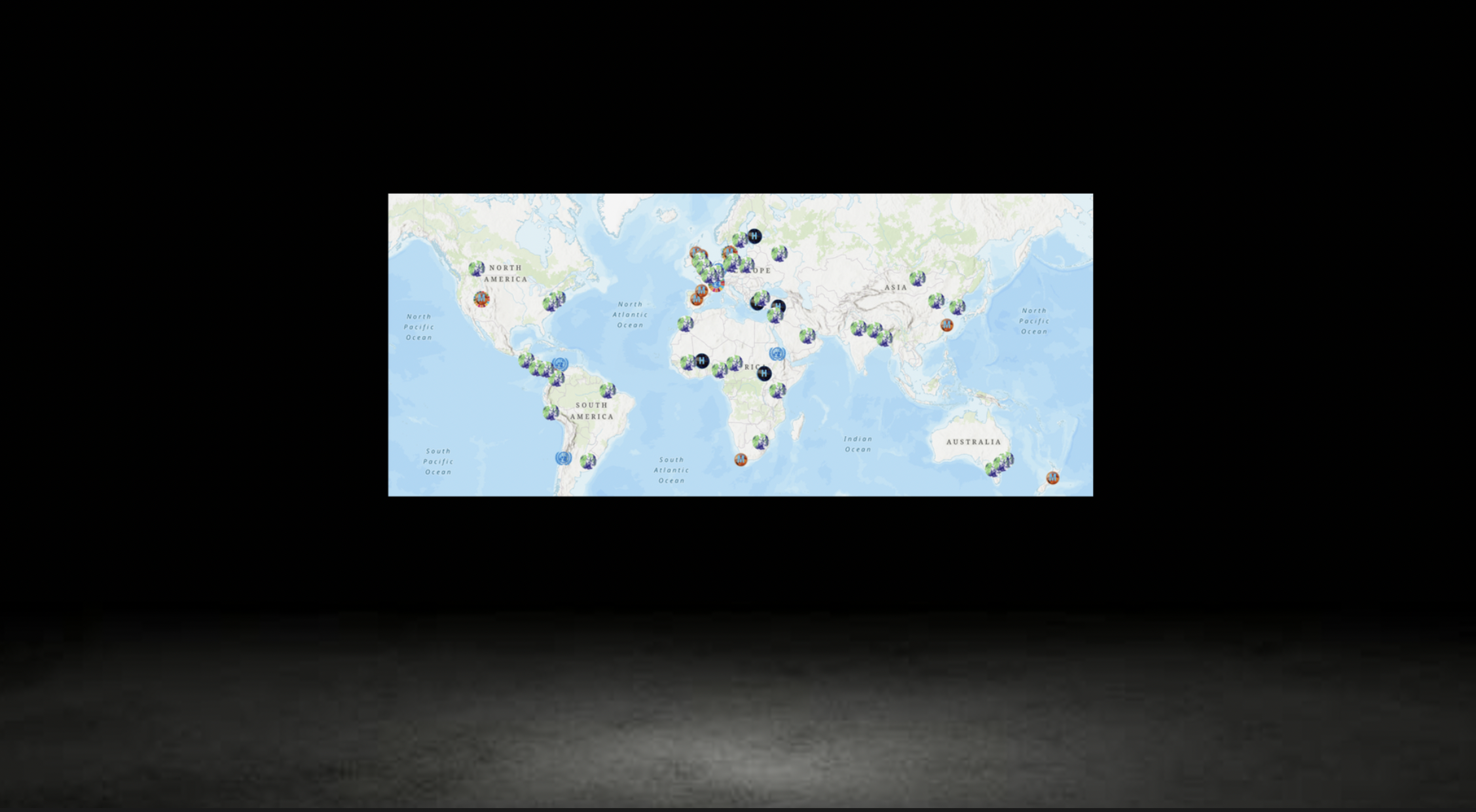
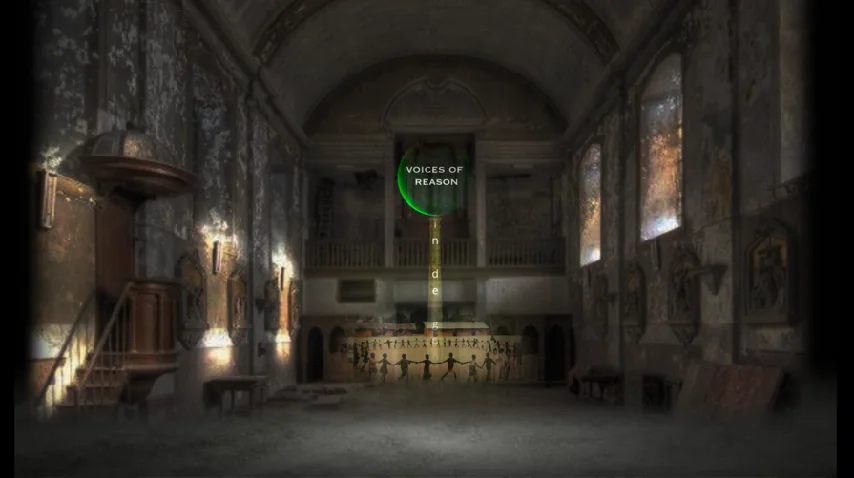
Agora creates space for citizens, change organisations and thinkers to deliberate together. Conversations can travel to libraries and museums — and connect people, life-size, across the world.
The olive
“Peace, unity, shelter and healing.”
The olive tree can live for more than two thousand years and still bear fruit. It can provide light, shelter, food, fuel and healing — an enduring symbol for a democratic network built for progressive change.
Horizontal tiers, not vertical frontiers
From the French filmmaker Jean Renoir’s autobiography, My Life and My Films: Renoir believed society should be organised by horizontal tiers — class and shared human experience — rather than vertical frontiers of national boundaries and geopolitics. A “citizen of the world” mentality, he argued, would eventually make the artificial concept of the nation-state obsolete.
Nations are conveniently portrayed as blocks of opposition, or as the enemy, to benefit the war-machine propaganda of strongman leaders. But we move beyond the vertical frontiers. A fisherman in Palma has more in common with a fisherman in Teshima than with a banker in Madrid. A cellist in St Petersburg has more in common with a cellist in Beijing than with a banker in Moscow. And so on.