
Education·22 June 2020
UK arts' leading figures join call for green recovery from coronavirus crisis
Sir Mark Rylance, who signed the letter asking the government to adopt green and carbon-cutting targets alongside its economic rescue plans. Photograph: Andreas Rentz/Getty Images Fiona Harvey Environment correspondent Published on Mon 22 Jun 2020 06.00 BST Exclusive: Sir Mark Rylance, Neil Tennant,
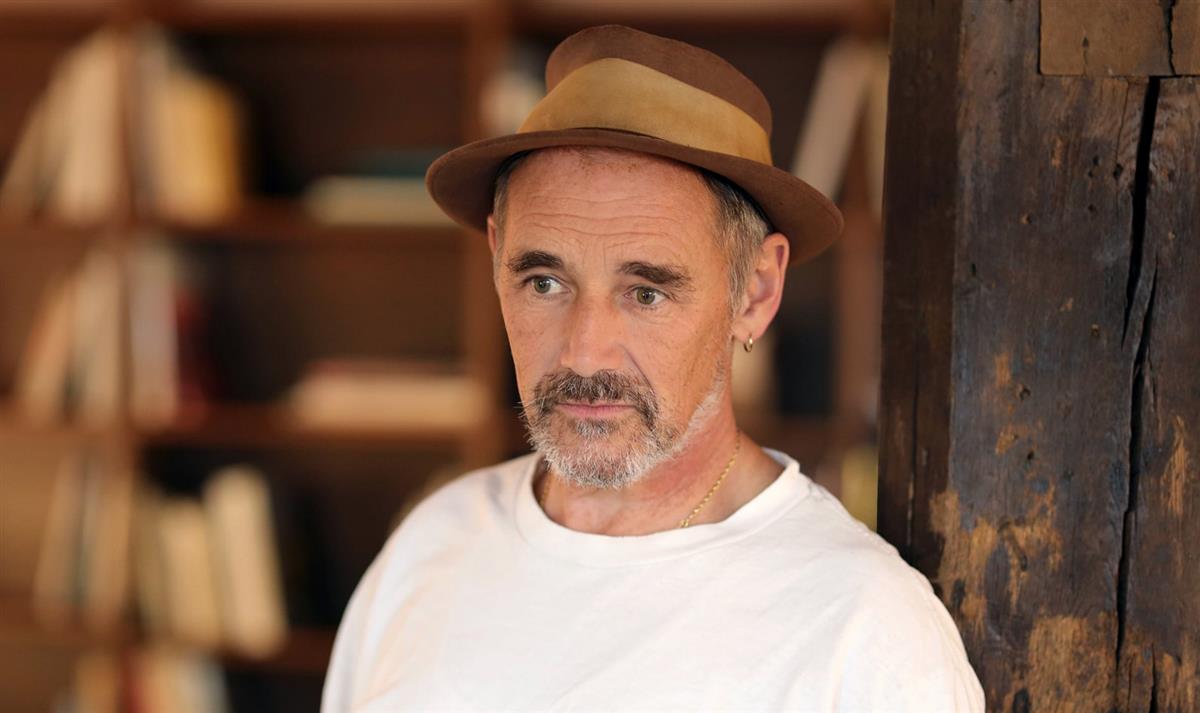 Sir Mark Rylance, who signed the letter asking the government to adopt green and carbon-cutting targets alongside its economic rescue plans. Photograph: Andreas Rentz/Getty Images
Fiona Harvey Environment correspondent
Published on Mon 22 Jun 2020 06.00 BST
Exclusive: Sir Mark Rylance, Neil Tennant, Brian Eno and heads of Tate and BBC arts sign letter to government
The chiefs of scores of the UK’s foremost arts and culture organisations have joined the call for a green recovery from the coronavirus crisis, even as their own sector faces the biggest threat to its existence in modern times.
Sir Mark Rylance, Neil Tennant of the Pet Shop Boys, Brian Eno and the leaders of the Tate, National Youth Theatre and the director of BBC arts are among those signing a letter asking the government to adopt green and carbon-cutting targets alongside its economic rescue plans. Close to 400 arts leaders and prominent individuals have now signed the letter, which will be presented to the culture secretary, Oliver Dowden, this week.
“What we decide now will create the sustainable foundations for the future; we have a once-in-a-generation opportunity to build a resilient recovery plan that is fair and tackles the climate and ecological crisis with urgency. We cannot let this opportunity pass us by,” they wrote.
The collapse of the arts, with a £74bn drop in revenues and about 400,000 potential and actual job losses in the sector owing to the Covid-19 pandemic crisis, has prompted calls for urgent government assistance, as there is little prospect of a swift return to full houses in theatres, or other live performance, and recording has been halted by social distancing restrictions.
But many want the government to go further, and commit to an economic recovery that would prioritise green jobs and ensure that climate goals are taken into account in government spending. They want to avoid the rebound in carbon emissions that a return to business as usual would entail.
“Things are very grim for the culture sector, and these are really catastrophic circumstances – that people are gathering round the call for a green recovery says a lot about the sector,” said Alison Tickell, founder of Julie’s Bicycle, a non-profit company helping the arts sector become more environmentally sustainable, and organiser of the letter. “Arts people feel a real responsibility to the public, with a strong sense of a social contract in the way the arts speak to people.”
Before the coronavirus, many arts and cultural organisations were re-evaluating their sponsorship arrangements with fossil fuel companies, with the National Theatre ending its sponsorship deal with Shell, and the Royal Shakespeare Company giving up its backing from BP. Despite the immediate threat to the viability of the sector, which contributes about £112bn a year to the UK economy – more than the automotive and aerospace sectors – arts organisations have not abandoned their quest for sustainability.
Frances Morris, director of Tate Modern, told the Guardian: “Government commitment to a long-lasting and inclusive green recovery programme is a crucial and urgently required step to creating a future in which we cannot just survive but thrive.”
Arts organisations have been taking their own steps to green their operations, for instance through upgrading their energy systems, switching to electric vehicles, and cutting down on waste.
The prime minister has made references to the need for a sustainable recovery, but so far there has been no concrete plan for ensuring that the hundreds of billions to be spent on the economic recovery will “build back better” instead of propping up the high-carbon economy. Much of the money spent so far has gone to heavy emitters such as airlines, carmakers and oil companies, with no green strings attached.
The UK is seen as holding a particular responsibility because it will host the next vital UN summit on the climate, next year in Glasgow. Ministers will face a key test this week when its statutory advisers, the committee on climate change, are expected to warn that carbon reduction targets will be missed without swift action.
SOURCE: THE GUARDIAN
Keep reading
Education·28 August 2026
Europe's rivers are warning us with our ancestor's handwriting
ON SOURCE: EUROPEAN CORRESPONDENT Drought My first-ever presentation in primary school was about water. Back then I couldn't have known how much scarcer it would get before I even grew up, or that Europe's rivers are drying up and revealing 400-year-old warnings. Europe's rivers are warning us with
EUROPEAN CORRESPONDENT · 1 min read

Education·19 August 2026
The Polycrisis Calls for Polysolutions
ON SOURCE: FORUM FOR THE FUTURE The Polycrisis Calls for Polysolutions Written by Mareyah Bhatti from Forum for the Future. Earlier this month, I had the pleasure of attending the Food Planet Prize event in Båstad, Sweden. It was a great opportunity to celebrate ambitious food system work from acros
FORUM FOR THE FUTURE · 1 min read

Education·6 July 2026
Global push for AI governance amid warnings of ‘catastrophic harm’
Can artificial intelligence benefit all of humanity – safely, fairly and without causing “catastrophic harm”? That is the question at the heart of a major UN summit opening in Geneva on Monday.
UN News - Global perspective Human stories · 4 min read