
Climate·27 April 2021
Invest in climate education to build a better workforce for a greener future
As the world celebrates Earth Day , the International Labour Organization (ILO) has called for urgent worldwide action on climate change, including the need to support climate education and awareness-raising.
Invest in climate education to build a better workforce for a greener future
By International Labour Organization• 22 april 2021
As the world celebrates Earth Day, the International Labour Organization (ILO) has called for urgent worldwide action on climate change, including the need to support climate education and awareness-raising.
The transition to a carbon-neutral economy will require new skills, training, and qualifications. Many new jobs will emerge. Others will have to adapt. This makes climate education for the current and future workforce a priority that countries need to urgently address.
“The effects of climate change will alter the structure of employment. New jobs and new job families will emerge, others will disappear or become unsustainable, and enterprises will have to find ways to organize work and production differently,” said ILO Director-General, Guy Ryder. “We need to prepare the youth to this changing world. Environmental education can empower students to solve the climate crisis and develop the skills, optimism and resolve to lead the environmental movement of tomorrow.”
Ryder praised Earthday.org and its partners, theInternational Trade Union Confederation (ITUC) and Education International (EI) for highlighting the issue of climate education on Earth Day.
“Climate education and awareness-raising are key to making a just transition to green economies that guarantee a sustainable future for current and new generations,” he said.
The ILO estimates that rising heat due to climate change could lead to the loss of 80 million jobs by 2030, with poor countries worst hit. Taking ambitious action to tackle climate change can deliver more and better jobs, with a potential for 18 million net jobs by 2030, through measures in the energy sector.
Enterprises will need well-trained workers, equipped with the right set of skills to reduce the carbon intensity of production. They will need to invest in preparing their workers for new and challenging technical and technological change, making the workplace a place of continuous learning in the ecological transition.
Social dialogue is also an essential tool in ensuring a smooth shift in occupational skills training to facilitate workers’ mobility and ensure their social protection in a rapidly changing world of work.
The upcoming UN climate conference COP26, to be hosted by the United Kingdom, will be an important time to reiterate the importance of climate literacy because only the right educational tools will prepare the current and future workforce to meet the challenges of climate change.
SOURCE: DEVELOPMENT AID
Keep reading
Climate·3 September 2026
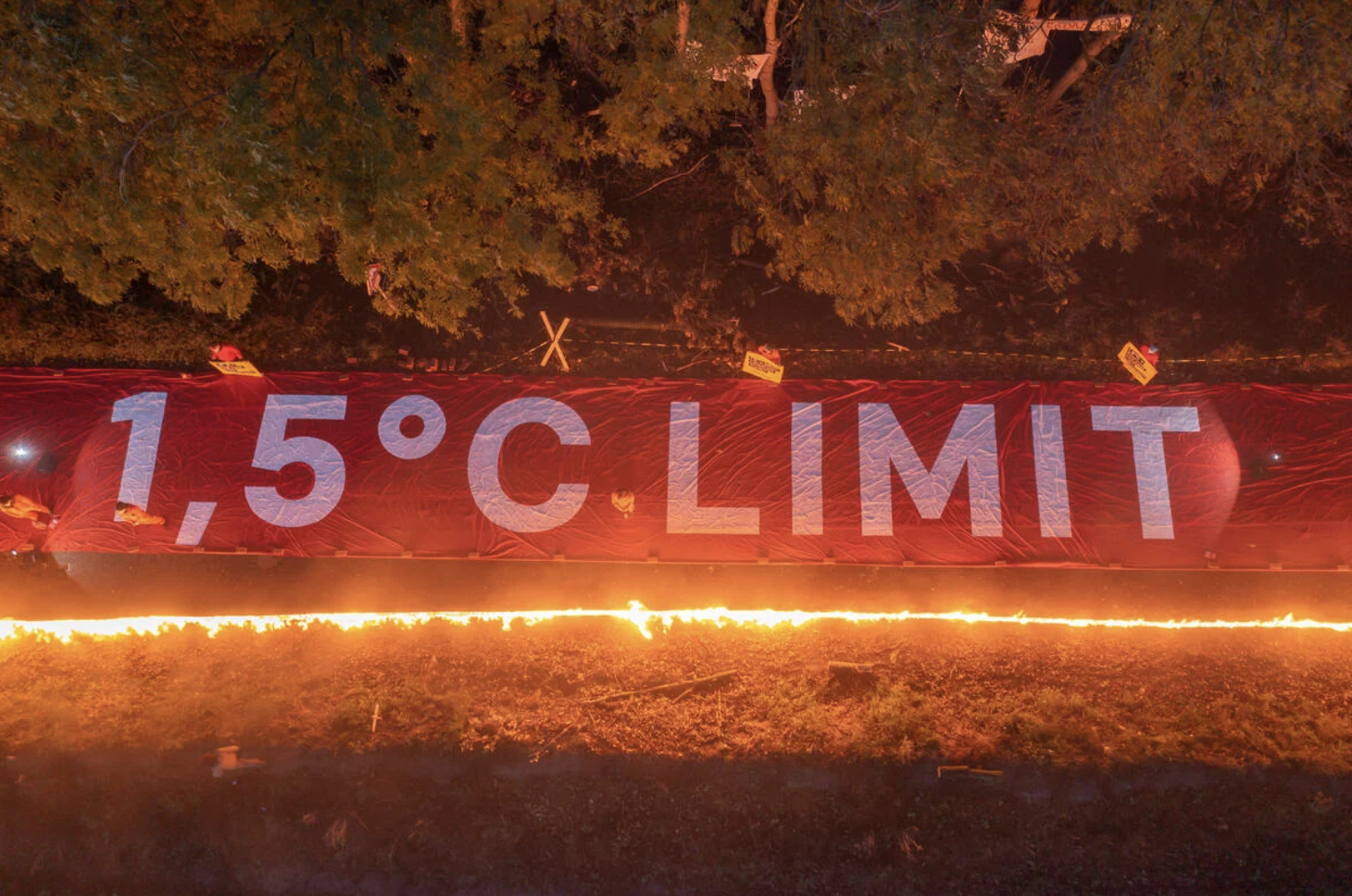
Why the UNEP 1.5°C overshoot report must be an urgent call to action on climate change
As Greenpeace International explains in its policy briefing, a just transition is more than simply swapping coal, oil and gas for renewables. It is an opportunity to transform energy, transport, industrial and other systems so they are more secure and affordable, reduce inequality, protect ecosystems and shift power from elites and multi-billion-dollar corporations to people.
GREENPEACE · 8 min read
Climate·7 August 2026
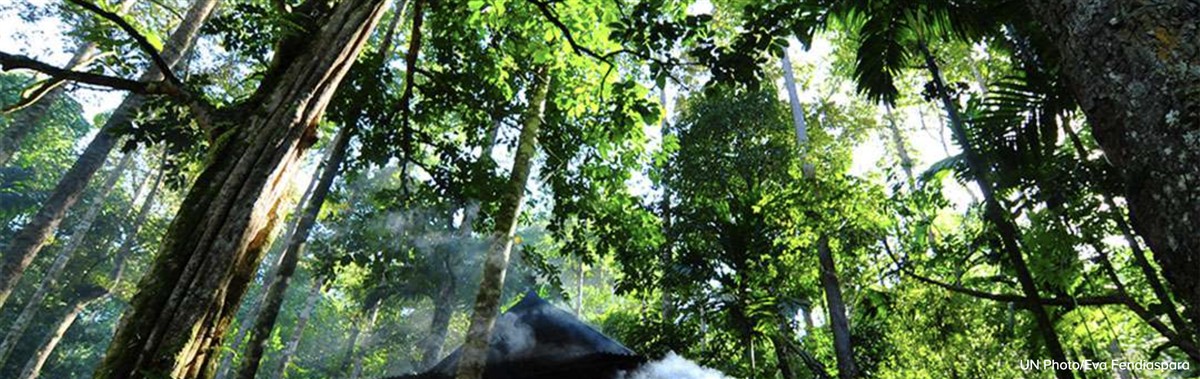
Preserving Indigenous Wisdom Requires Protecting Forests
By Sophie Grouwels, Forestry Officer, Forest and Farm Facility, FAO
SDG KNOWLEDGE HUB · 4 min read
Climate·30 July 2026
Global Commons Alliance: Systems Change Explained
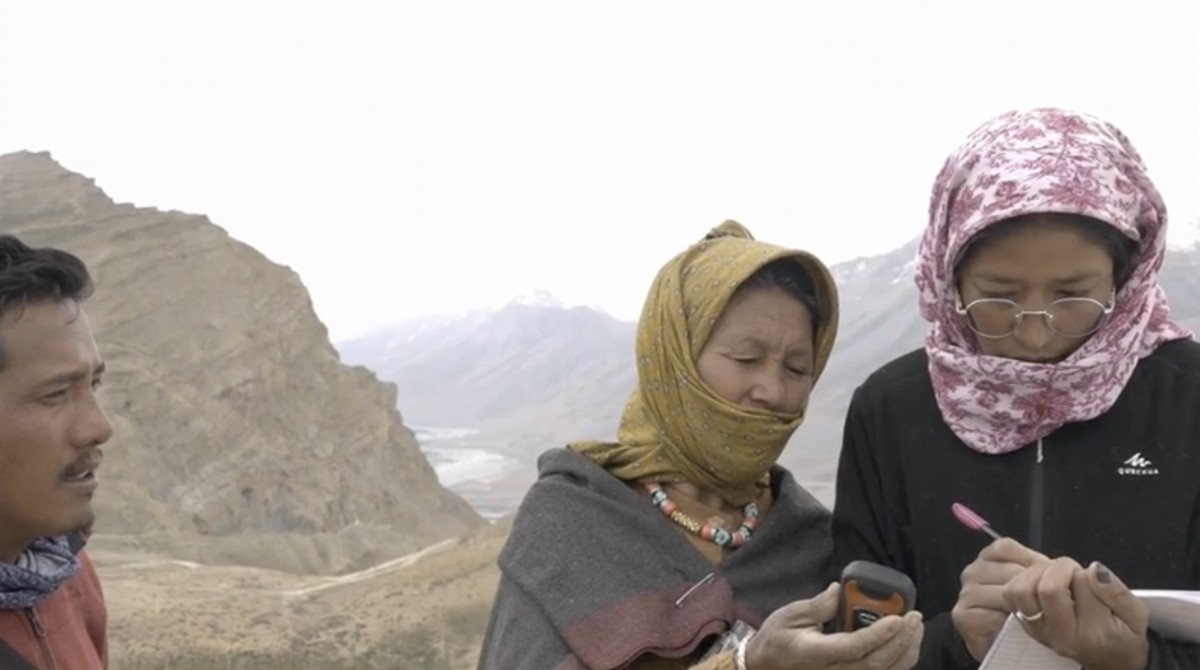
What does systems change actually mean? Watch the fourth video in our global commons e xplainer series , to find out what systems change means, why it’s urgent, and how it actually happens in practice.
GLOBAL COMMONS ALLIANCE · 1 min read