
Climate·3 December 2023
How do we bring about peace in a world of war and chaos?
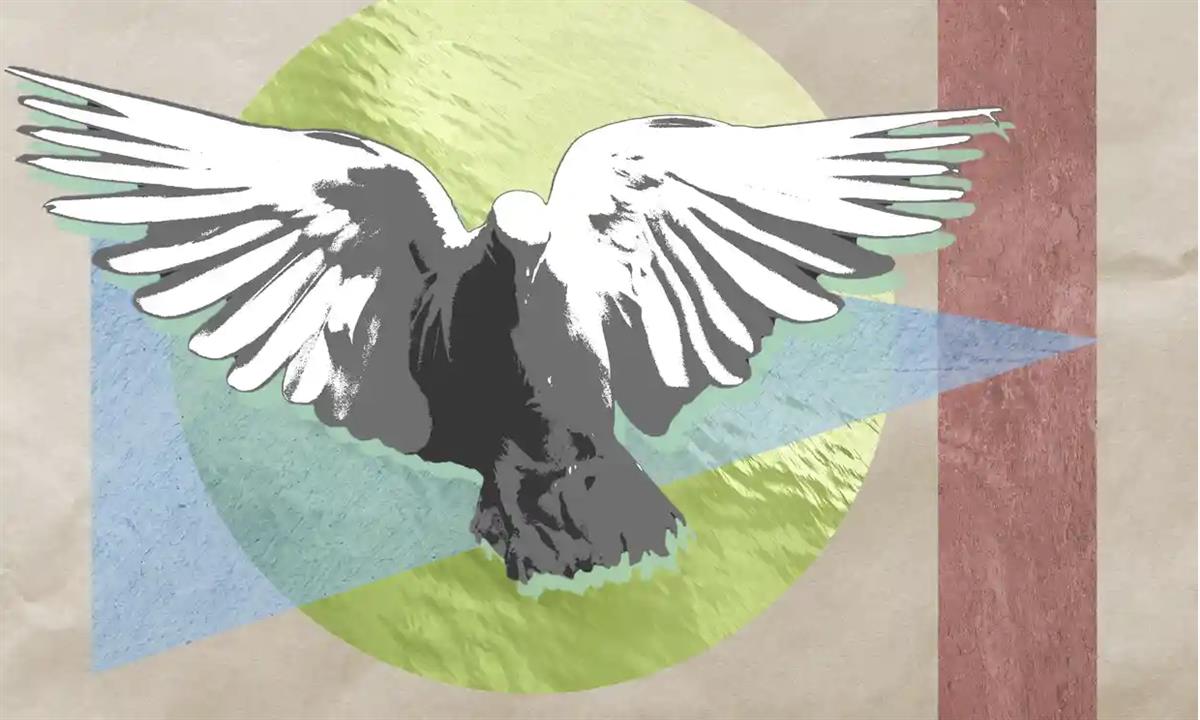
‘Where there is conflict and disaster, the Quaker response is through a stance of non-partisanship,’ writes Alan Clayton. Photograph: Getty Images
‘Where there is conflict and disaster, the Quaker response is through a stance of non-partisanship,’ writes Alan Clayton. Photograph: Getty Images
SOURCE: THE GUARDIAN
Sun 3 Dec 2023 14.00 GMT
How do we bring about peace in a world of war and chaos? Quakers like me might have the answer
Alan Clayton
The struggle for peace starts well before conflict arises – with small acts of tolerance and compassion
Every day we are confronted with images of the horrors of war – the ongoing conflict in Gaza and Israel and the devastation in Ukraine. Then there are the myriad other conflicts around the world, including in Myanmar, Afghanistan, Yemen and Syria.
These are matters that concern any engaged world citizen. But they are of particular concern to members of the Religious Society of Friends, better known as Quakers.
Quakers arose out of the chaos in the mid-17th century – a “world turned upside down” – as a result of the English civil war.
As a different kind of chaos turns the world upside down today, how can the Quaker philosophy guide us towards peace?
I have been a Quaker for almost half a century and it has taught me many lessons about promoting peace at home and abroad.
Quakers seek to live their lives by six social testimonies – peace, simplicity, integrity, community, equality and care of the Earth. The word “testimony” comes from that of “bearing witness”. The testimonies do not have the status of a creed, but are profound matters for individual discernment.
The peace testimony was set out in a proclamation to King Charles II in 1660. It declares: “We utterly deny all outward wars and strife and fighting with outward weapons for any end or under any pretence whatever”.
For Quakers, the struggle for peace must start well before a conflict arises, with the commitment to try to “take away the occasion for war”.
As the cause of many conflicts and wars is inequality, Quakers see the bedrock of taking away “the occasion of war” as being in the achievement of a more just and equal society – both nationally and internationally. Quakers pushed for the abolition of slavery and have been active in the formation of organisations for the promotion of human rights, environmental protection and disaster recovery such as Amnesty International, Greenpeace and Oxfam.
Where there is conflict and disaster, the Quaker response is through a stance of non-partisanship. This stems from the Quaker recognition that “there is that of God in everyone” and that you cannot privilege one set of lives over another. During the Irish famine, the significant Quaker relief efforts were directed impartially to both Catholics and Protestants. In part because of this, Quakers were able to play a mediating role in the Northern Ireland “Troubles” that ultimately bore fruit in the Good Friday agreement.
Similarly, in the widespread devastation in Europe at the end of the first world war, and the acute and desperate issue of seriously malnourished children, the welfare arm of American Quakers was involved in a mass feeding program that provided food to over one million German children each day and gained the German name of Quäkerspeisung (Quaker feeding). A legacy of this was that, after Kristallnacht in 1939, British Quakers were able to organise the Kindertransport that allowed the passage of nearly 10,000 Jewish children to safety in the United Kingdom.
Even when they think of the global, Quakers understand they must start with the local.
Building a more peaceful and just world starts with small acts. This means that where there is bigotry in the community, there is a need to stand on the side of tolerance and compassion and inclusion, and be prepared to take that stand publicly.
Allied with this is to work to strengthen bodies and institutions in civil society that promote social cohesion and form a bulwark or guardrail against conflict.
Finally, striving for peace in a world full of conflict is exhausting. Quakers recognise that there is a need to nurture one’s inner world if they are to be effective as long-term actors in the outer world, whether this be through their “meetings for worship”, engagement in nature or whatever way succeeds in nurturing their inner being.
As a leading contemporary English Quaker has observed: “Quakers are not ‘for peace’ but rather know, in the deepest sense of the word, that peace is a holy imperative as part of a just society.”
- Alan Clayton has been a Quaker for almost half a century. He is a former co-clerk of Victoria Regional Meeting and has held a number of roles within Yearly Meeting of Quakers in Australia
SOURCE: THE GUARDIAN
Keep reading
Climate·3 September 2026
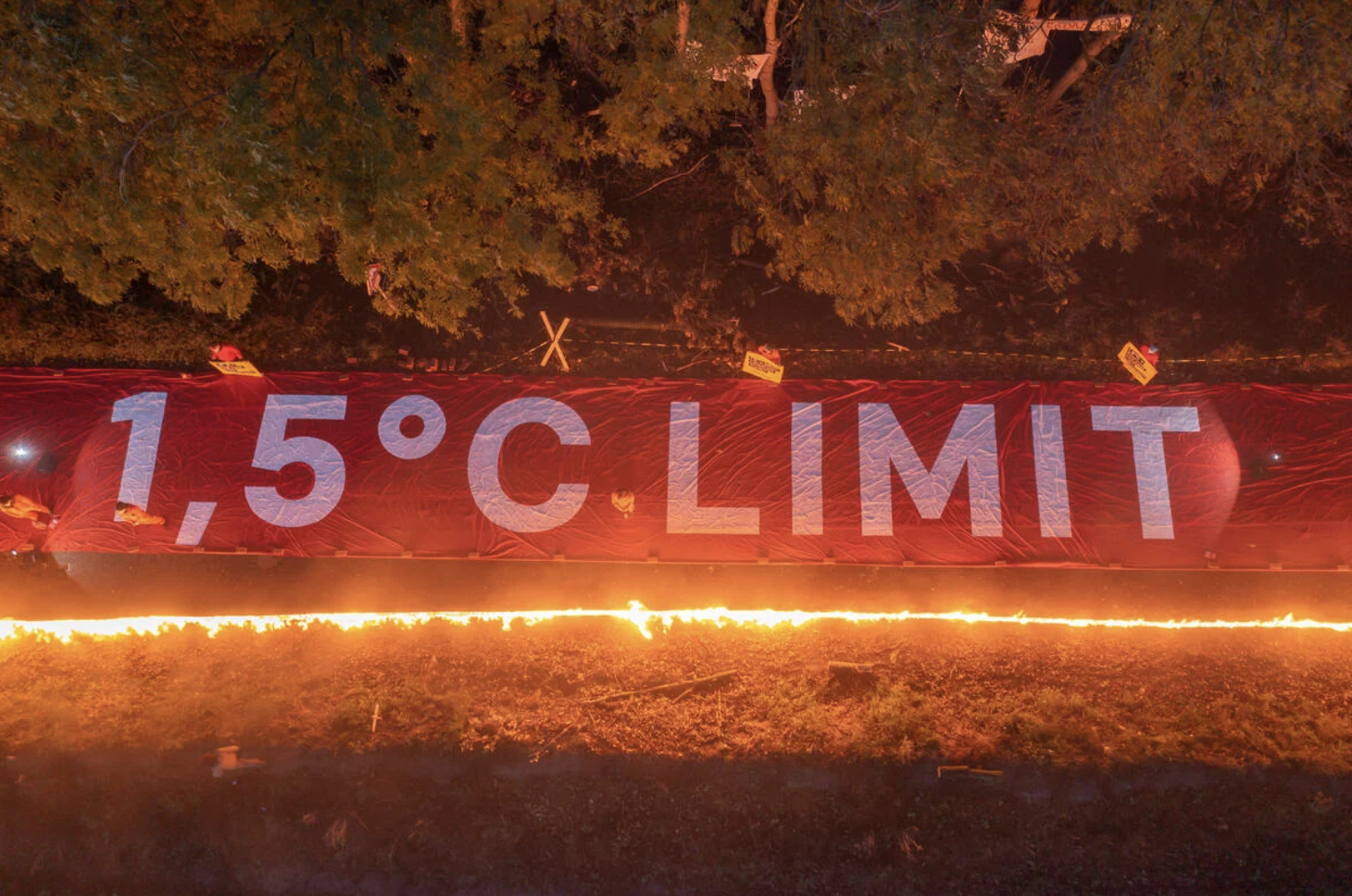
Why the UNEP 1.5°C overshoot report must be an urgent call to action on climate change
As Greenpeace International explains in its policy briefing, a just transition is more than simply swapping coal, oil and gas for renewables. It is an opportunity to transform energy, transport, industrial and other systems so they are more secure and affordable, reduce inequality, protect ecosystems and shift power from elites and multi-billion-dollar corporations to people.
GREENPEACE · 8 min read
Climate·7 August 2026
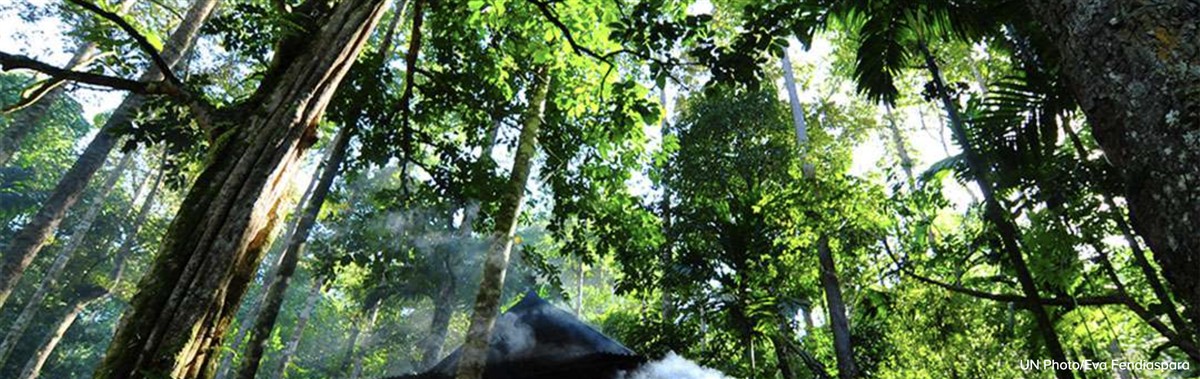
Preserving Indigenous Wisdom Requires Protecting Forests
By Sophie Grouwels, Forestry Officer, Forest and Farm Facility, FAO
SDG KNOWLEDGE HUB · 4 min read
Climate·30 July 2026
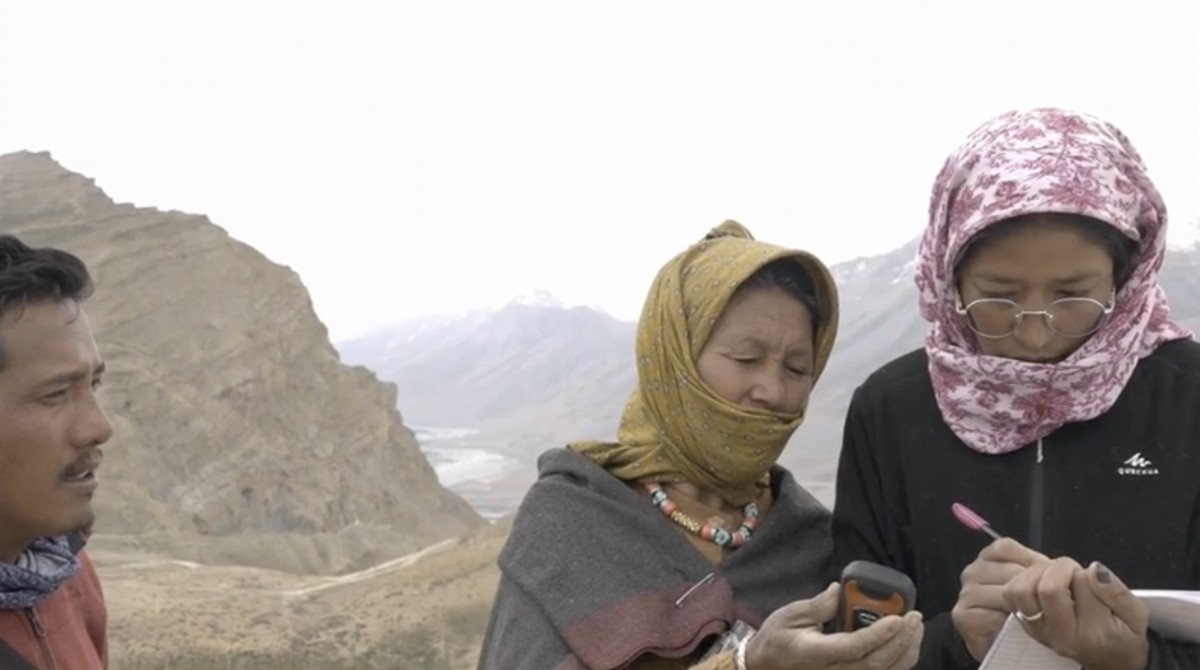
Global Commons Alliance: Systems Change Explained
What does systems change actually mean? Watch the fourth video in our global commons e xplainer series , to find out what systems change means, why it’s urgent, and how it actually happens in practice.
GLOBAL COMMONS ALLIANCE · 1 min read