
Climate·14 March 2024
Arab RFSD Explores Solutions to Deliver for Sustainability and Peace
The UN Economic and Social Commission for Western Asia (ESCWA) convened a regional forum on sustainable development (RFSD) in preparation for the High-level Political Forum on Sustainable Development (HLPF) in July. The meeting discussed…
Arab RFSD Explores Solutions to Deliver for Sustainability and Peace
SOURCE: SDG KNOWLEDGE HUB
STORY HIGHLIGHTS
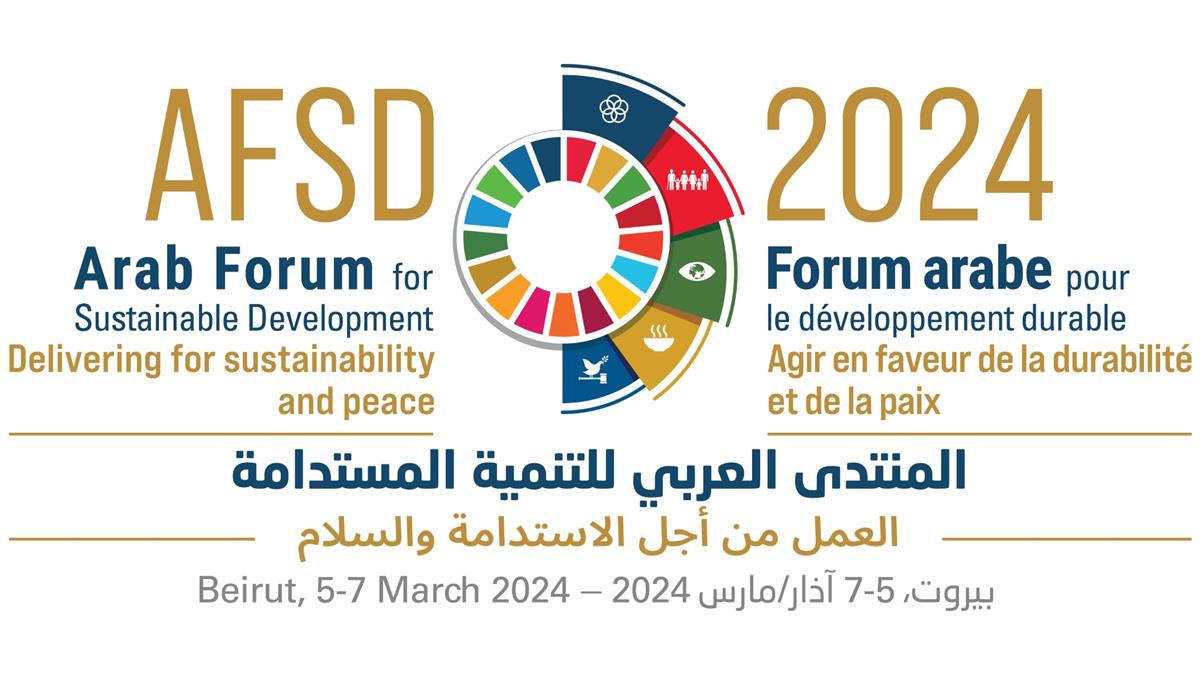
The 2024 Arab Forum for Sustainable Development convened in Beirut, Lebanon, from 5-7 March on the theme, ‘Delivering for Sustainability and Peace’.
On 6 March, ESCWA and partners launched the Second Arab Multidimensional Poverty Report, which discusses the impacts on poverty of the multiple crises affecting the region.
The Forum’s key messages will feed into HLPF 2024, which will conduct in-depth review of progress towards SDGs 1 (no poverty), 2 (zero hunger), 13 (climate action), 16 (peace, justice and strong institutions), and 17 (partnerships for the Goals).
The UN Economic and Social Commission for Western Asia (ESCWA) convened a regional forum on sustainable development (RFSD) in preparation for the High-level Political Forum on Sustainable Development (HLPF) in July. The meeting discussed solutions to address poverty, food insecurity, and climate change. It also explored ways to promote peaceful and inclusive societies, expand access to information technology, and develop partnerships to achieve the Goals.
The Forum’s key messages will feed into HLPF 2024, which will conduct in-depth review of progress towards SDGs 1 (no poverty), 2 (zero hunger), 13 (climate action), 16 (peace, justice and strong institutions), and 17 (partnerships for the Goals).
In her opening remarks, UN Deputy Secretary-General Amina Mohammed acknowledged that conflicts and fragility are affecting 182 million people in nine of the region’s countries, stressing “there can be no sustainable development without peace.”
Among other challenges impacting the Arab region, Mohammed highlighted inequality, economic stagnation, poverty, hunger, and limited institutional accountability to support development. She noted that extreme poverty has more than doubled since 2015, exceeding 20% in 2023, and unemployment reached 10.7% – the highest among the world’s regions. She called attention to a growing financing gap, and climate and environmental challenges that are “constraining economies and threatening societies.”
To address these problems, Mohammed called for policies and investments that can drive transformative change. She described examples of actions in the region “showing what is possible” and highlighted five transitions that need to accelerate:
- Inclusive and sustainable energy coupled with climate action;
- Food security and sustainable food systems;
- Decent jobs and social protection;
- Education; and
- Digital connectivity and literacy.
Mohammed underscored the Summit of the Future in September as “an opportunity to strengthen the role of global cooperation in supporting sustainable development, peace and human rights for all.”
The Forum’s Chair Said bin Mohammed bin Ahmed Al Saqri, Minister of Economy of Oman, outlined the repercussions of the war on Gaza on development in the Arab region as a whole, highlighting the widening gap between countries. “It is high time that we unify our efforts towards improving the quality of people’s lives to realize all SDG pillars,” he said.
Caretaker Prime Minister of Lebanon Najib Mikati called for financing for small and medium-sized enterprises (SMEs) to boost the private sector. This, he said, “would enhance sustainable and inclusive development and contribute to the provision of much-needed job opportunities.”
On 6 March, ESCWA, with the UN Children’s Fund (UNICEF), the UN Development Programme (UNDP), the UN Population Fund (UNFPA), and the Oxford Poverty and Human Development Initiative (OPHI), launched the Second Arab Multidimensional Poverty Report, which discusses the impacts on poverty of the multiple crises affecting the region. The report makes policy recommendations, including linking development policies and programmes to the poverty indices for better targeted initiatives “that reach the poor and address the severity and complexity of poverty.” The report’s first edition was published in 2018.
The 2024 Arab Forum for Sustainable Development (AFSD) convened in Beirut, Lebanon, from 5-7 March on the theme, ‘Delivering for Sustainability and Peace.’ The AFSD serves as the primary regional mechanism for the annual follow-up and review of progress towards the 2030 Agenda on Sustainable Development. It is one of five regional forums to convene ahead of the July session of the HLPF.
[ESCWA Press Release on AFSD Opening] [ESCWA Press Release on AFSD Closing] [Publication: Second Arab Multidimensional Poverty Report] [Policy Brief] [Publication Landing Page] [SDG Knowledge Hub Story on ESCWA SDG Progress Report 2024]
SOURCE: SDG KNOWLEDGE HUB
SDGS
1. NO POVERTY 2. ZERO HUNGER 13. CLIMATE ACTION 16. PEACE, JUSTICE & STRONG INSTITUTIONS 17. PARTNERSHIPS FOR THE GOALS
ISSUES
Energy, Governance, Sustainable Development, Agriculture & Food Security, Poverty Eradication, Human Rights & Indigenous Peoples, Economics & Investment, Climate Change, Monitoring & Evaluation, Follow-Up and Review
GLOBAL PARTNERSHIPS
Means of Implementation, Finance, Technology / Transfer, Capacity Building & Education, Systemic Issues, Policy & Institutional Coherence, Multi-stakeholder Partnerships, Data, Monitoring & Accountability
ACTORS
UNESCWA, UNDP, UNFPA, UNICEF, Stakeholders and Major Groups, UN Programme, Agency or Fund, UN Regional Economic & Social Commission, UN Secretariat
ACTIONS
REGIONS
Africa, Asia, Near East, Eastern Africa, North Africa, Western Asia
TAGS
Keep reading
Climate·3 September 2026
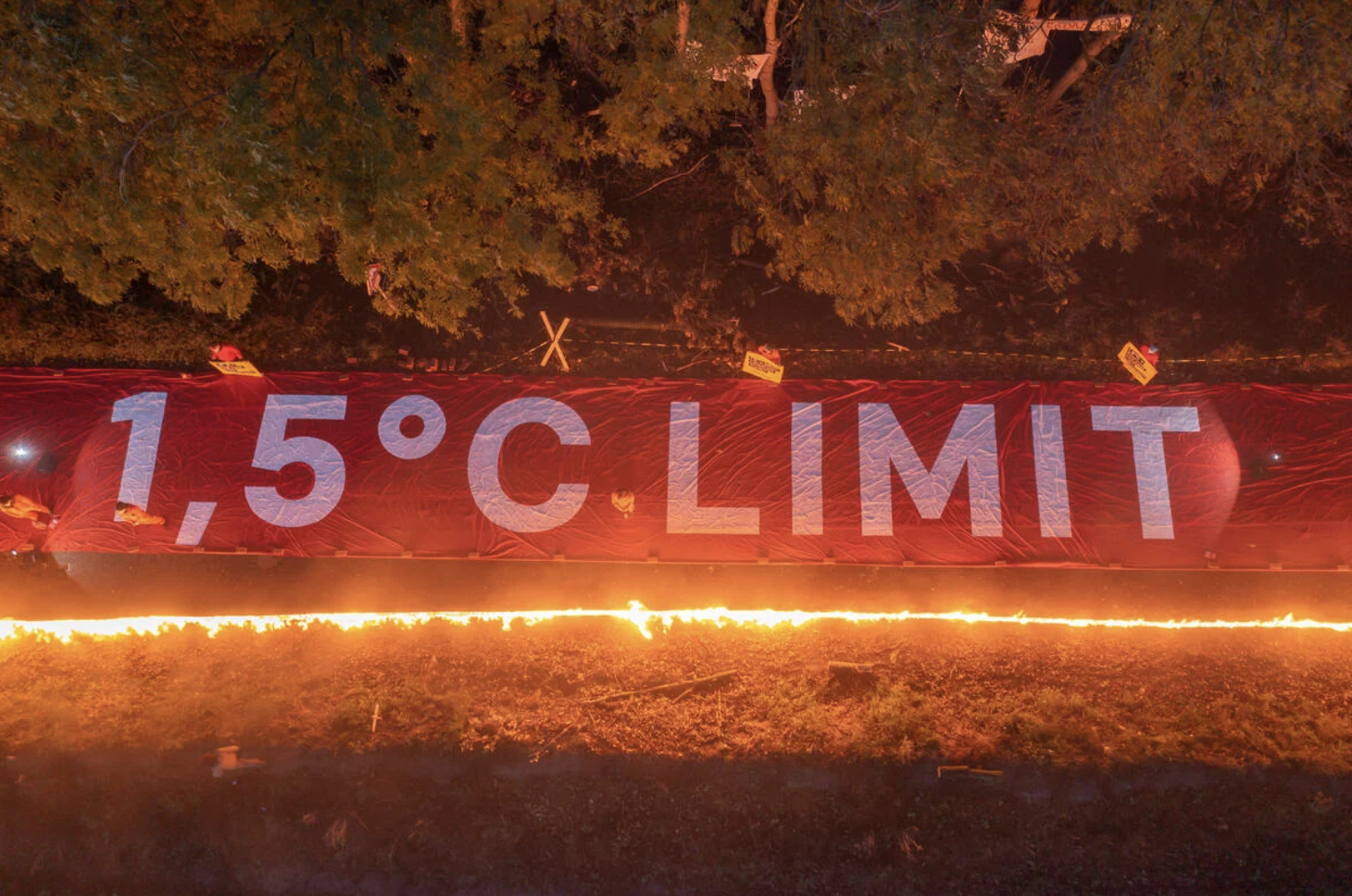
Why the UNEP 1.5°C overshoot report must be an urgent call to action on climate change
As Greenpeace International explains in its policy briefing, a just transition is more than simply swapping coal, oil and gas for renewables. It is an opportunity to transform energy, transport, industrial and other systems so they are more secure and affordable, reduce inequality, protect ecosystems and shift power from elites and multi-billion-dollar corporations to people.
GREENPEACE · 8 min read
Climate·7 August 2026
Preserving Indigenous Wisdom Requires Protecting Forests
By Sophie Grouwels, Forestry Officer, Forest and Farm Facility, FAO
SDG KNOWLEDGE HUB · 4 min read
Climate·30 July 2026
Global Commons Alliance: Systems Change Explained
What does systems change actually mean? Watch the fourth video in our global commons e xplainer series , to find out what systems change means, why it’s urgent, and how it actually happens in practice.
GLOBAL COMMONS ALLIANCE · 1 min read