
Sustainability·24 September 2019
US look to Syria for ancient wisdom in nature
Food-growing areas around the world face new challenges as a result of climate change. This Syria-US project highlights one potential solution: reaching deep into the history of plants
Seed savers: how the US is looking to Syria for ancient wisdom in nature
Food-growing areas around the world face new challenges as a result of climate change. This Syria-US project highlights one potential solution: reaching deep into the history of plants
Words by
Lucy Purdy November 8, 2018
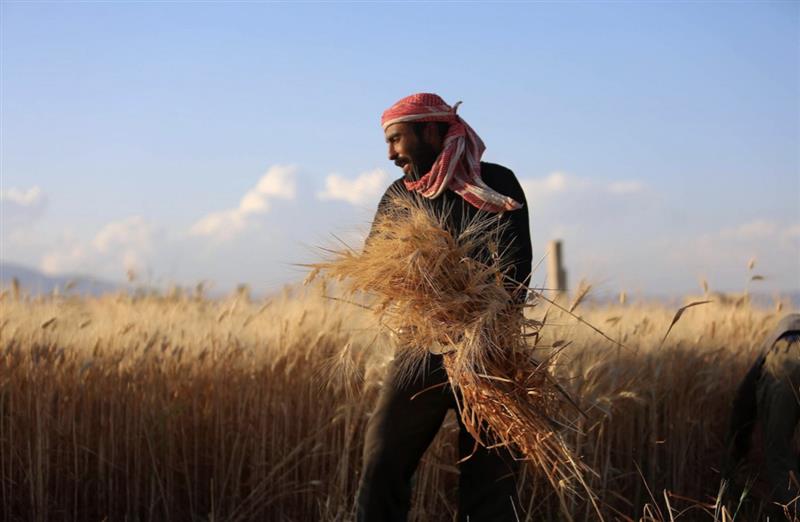
Sickle in hand, this Syrian man harvests wheat as the sun begins to fall. He stands in a field near the village of al-Bahariyah, in the eastern Ghouta region on the outskirts of the capital Damascus. Six thousand miles away in a greenhouse in Kansas, researchers watch as a cloud of Hessian flies works on destroying 20,000 trial seedlings.
But one species among the samples remains untouched: an ancient Syrian grass known as Aegilops tauschii.
Discover a world of inspiration
Subscribe to Positive News magazine
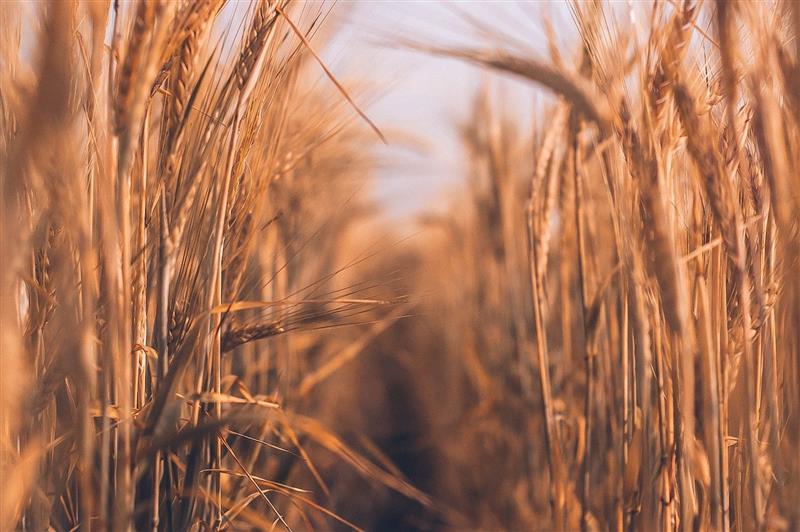
Seeds from this wild grass that were once stored in a seed bank in Tal Hadya, 25 miles west of the largely destroyed city of Aleppo, have made their way to the US. As temperatures rise, pests and diseases are moving north into America’s cereal and grain heartland, diminishing yields and sometimes decimating crops.
Smuggled out of Syria as the bombs fell, Aegilops tauschii seeds could now help US wheat survive the hotter and drier conditions triggered by climate change. Today’s domesticated wheat originated from Syria and neighbouring countries in the ‘fertile crescent’. So it stands to reason that the seeds stored there are embedded with survival strategies developed over thousands of years.
Seeds from Syria could help US wheat survive the hotter and drier conditions triggered by climate change. Image: Artur Nasyrov
According to environmental journalist Mark Schapiro, writing for the Yale School of Forestry and Environmental Studies: “Those so-called ‘crop wild relatives’ are turning out to be critical tools for breeders as food-growing areas around the world face an unprecedented spectrum of new conditions.”
The Syria-US project could form a blueprint for breeders of other crops. It’s a hint to reach deep into the history of plants, in search of lost characteristics that could prove crucial in a rapidly changing world.
Image: Amer Almohibany/AFP/Getty
Keep reading
Sustainability·19 April 2024
Transform landmark Indigenous rights declaration into reality: UN General Assembly President
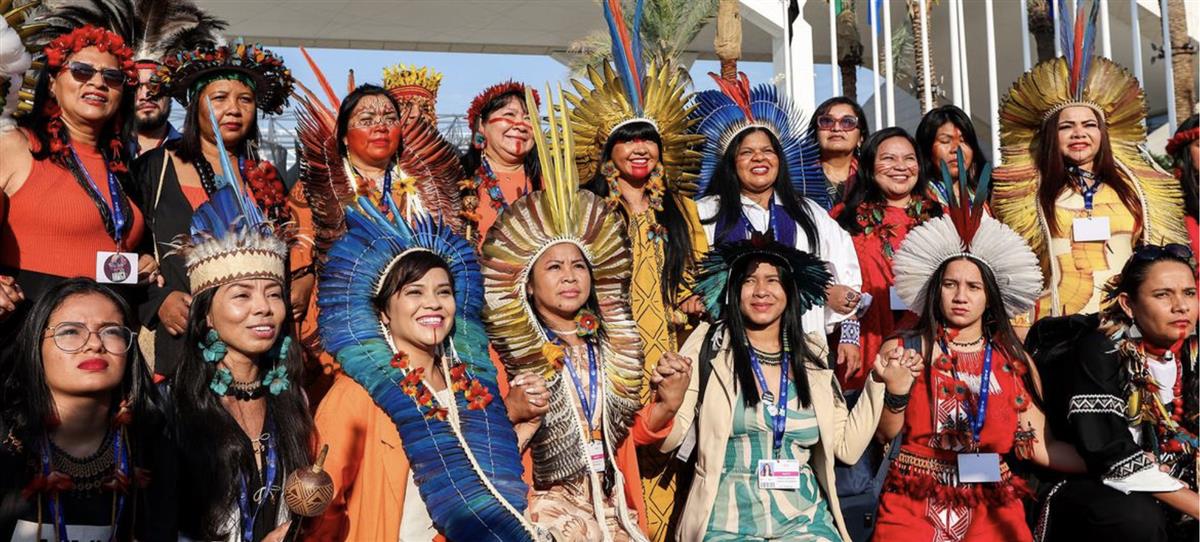
COP28/Mahmoud Khaled - Women from the Brazilian delegation attend an indigenous event during the COP28 UN Climate Change Conference in Dubai, United Arab Emirates, in December 2023.
ON Network · 3 min read
Sustainability·1 April 2024
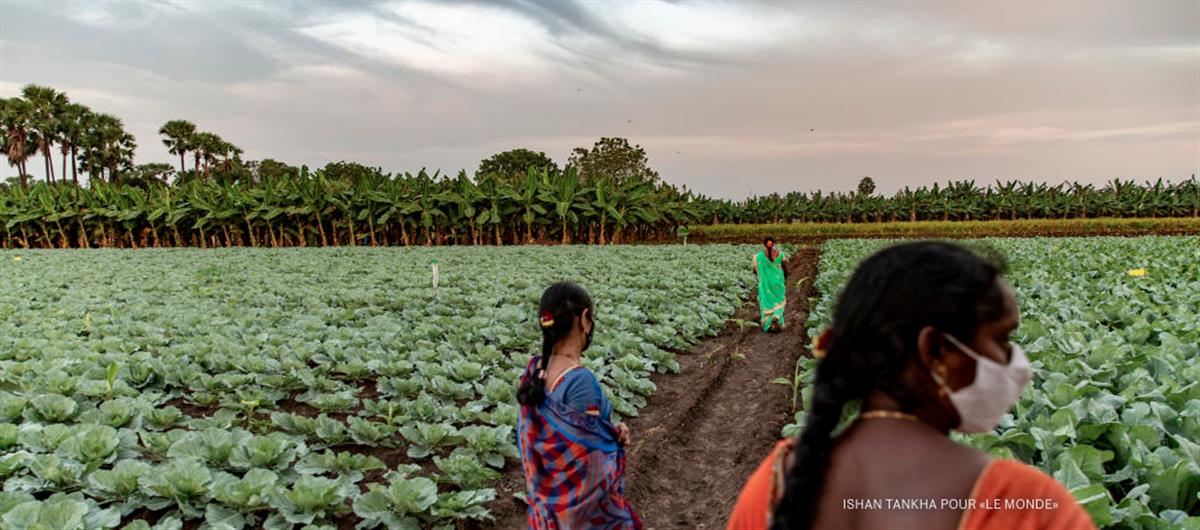
The biggest agroecology project in the world: in India, Andhra Pradesh is banking on "zero budget natural agriculture"
An Indian State converts its 6 million farmers to agroecology. Andhra Pradesh, a state in south east India, opens the way with the largest agro-ecological project in the world and a plan to feed all its population without use of…
ON Network · 1 min read
Sustainability·21 September 2022
The 2022 Global People’s Assembly and a New Multilateralism
In his Our Common Agenda , the UN Secretary-General called on Member States to give “serious consideration” to the idea of an “annual civil society caucus in conjunction with the General Assembly’s high-level week.” Fortunately, such a…
ON Network · 4 min read