
Arts & Culture·12 June 2026
The Other Tree of Guernica - e-flux Education
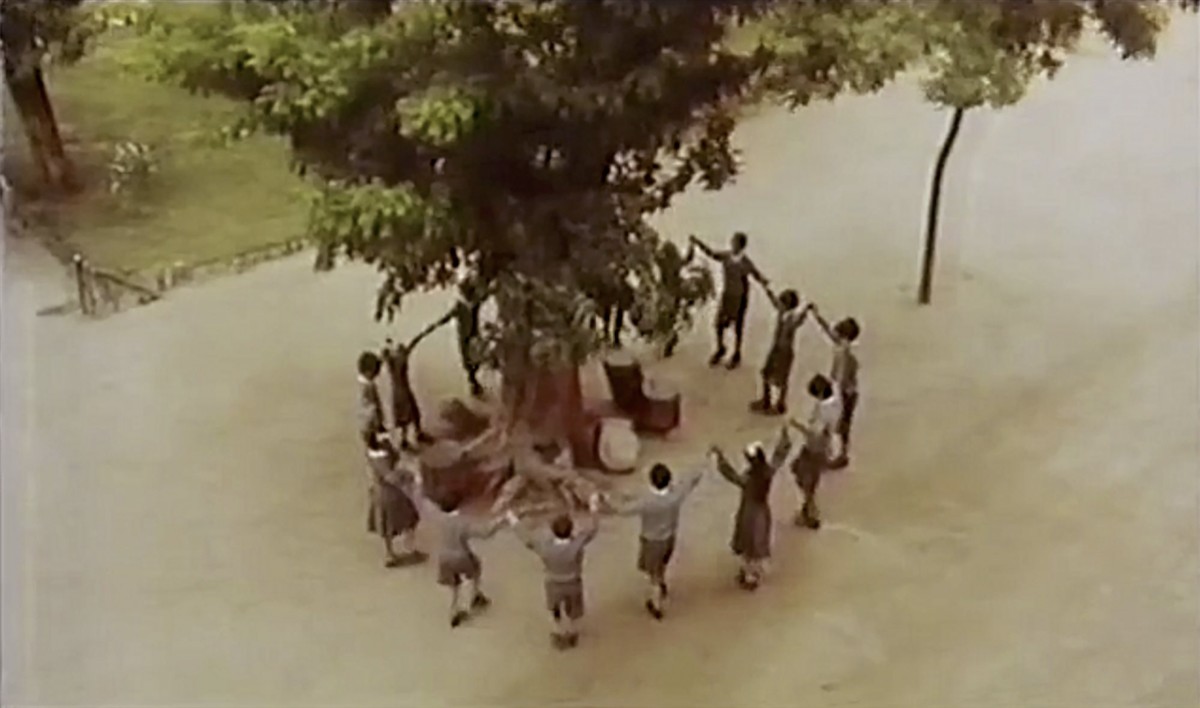
The Other Tree of Guernica (edited still), 1969. Dir. Pedro Lazaga Sabater.
The Other Tree of Guernica (edited still), 1969. Dir. Pedro Lazaga Sabater.
ON SOURCE: e-flux Education
Editorial
June 11, 2026
The Editors
For seven centuries, the Tree of Guernica has stood in a central square of the famed Basque town
For seven centuries, the Tree of Guernica has stood in a central square of the famed Basque town by the same name.It remains, as Juliana Halpert wrote in a recent e-flux Education feature, the “most sacred symbol of the Basque Country and a monument to its enduring spirit of self-determination.” The tree has since been succeeded by four more generations of offspring, which have withstood centuries of conquest, inquisitions, revolutions and repressive regimes—including the brutal bombing of Guernica in 1937. Its earliest function as a proto-democratic meeting place in the Middle Ages, in addition to the tree’s continued protection and preservation, proves to be a useful fable for anyone participating in, studying, administering, or merely musing about education today.
Universities, schools, and other academies in the arts are currently navigating profound political, economic, and social transformations. Though many programs have splintered, withered, or been transplanted, new ideas about how and why to teach the arts continue to proliferate. Legacies of lesser-known educators and scholastic histories are being unearthed and studied.e-flux Education dedicates itself to examining the conditions that make learning—particularly in the creative fields—possible. Our approach is pluralist by design; we publish essays, interviews, roundtables, and excerpts, anchored to a wide range of programs and assemblies.
In the past year, e-flux Education’s coverage of higher education in the arts has stretched its limbs across several continents, and rooted down into a full century of pedagogical history. It has also served as a nesting ground for a flock of theoretical texts that burrow into our core assumptions about arts instruction and forms of knowledge. Recent features have certainly illuminated a plethora of alternative models. Anahid Nersessian visited the Poetry Field School, an independent and informal writing program nurturing a community of poets, while Jörg Heiser attended a “four-day intellectual trip” in rural Norway, organized by the master’s program in Curatorial Practice at the University of Bergen. Ren Ebelsat down for a dinner hosted by the post-graduate Contemporary Art and Temporalities of History research unit in Lyon, and Anthony Discenza scrutinized how Bard’s Center for Curatorial Studies balances critical inquiry with highly professional training.
Amid polyphony and polycrisis, it can sometimes be difficult to locate a unifying principle. What do the artist Fred Londier’s photographs of the University of San Diego’s fine arts departmentin the 1970s, as pored over by Nilo Goldfarb,have in common with Karachi LaJamia, a contemporary, radical “anti-university,” profiled by Pramodha Weerasekera? How does Further Reading, an Indonesian design-education journal, relate to Travis Diehl’s tour of the Carnegie Museum of Art’s exhibition on public education in Pittsburgh, or Tabitha Steinberg’s investigation into the Blackwell School, a former public school converted into a museum in Marfa? What unites George MacBeth’s essay on Elveira Leite’s “pedagogy of the streets” and post-revolutionary Portugal to Angella d’Avignon’s appraisal of a project space for University of California, Irvine art students at the border of the Sonoran and Mojave Deserts?
If contemporary art is no longer bound by discipline or “skill” or studio walls, how does arts education integrate the study of ecology, cooking, or a cappella singing—topics explored, respectively, by Brian Karl at the Radical Art▽Ecology Lab, Clare Butcher and Richard Finlay Fletcher during their discussion of Gerrit Rietveld Academie’s Image & Language department, and Ross Birrell inhis tribute to David Harding’s highly influential Environmental Art program at the University of Glasgow. An excerpt from John Corbin’s 1902 memoir An American at Oxford returns to the origins of the university itself, tracing the social and institutional forms from which modern higher education emerged.
The Tree of Guernica’s most essential quality is the same as that which unites the many subjects of e-flux Education features. Whether it takes place in a grove, a classroom, a street, a nature preserve, a publication, or even a party, arts education of every ilk always engenders a space for collective participation. Like the tree, an institution is an auratic entity. It can’t be located in its precise buildings, much less one single cohort or curricula. Across its coverage, e-flux Educationhas sought to elucidate this ethos within schools, programs, or assemblies—chronicling particular rituals and traditions, situating moments in history along a greater continuum. As our contributors demonstrate, education entails far more than the simple transmission of information. It is also the creation, and sustenance, of the social conditions through which knowledge remains alive, relevant, and available to future generations.
—The Editors
Subscribe toe-flux Educationfor new features, surveys, conversations, and announcements on educational initiatives around the world.
Category
Subject
Academia, Institutional Critique, Knowledge Production
ON SOURCE: e-flux Education
Originally published by e-flux Education
Keep reading
Arts & Culture·6 August 2026
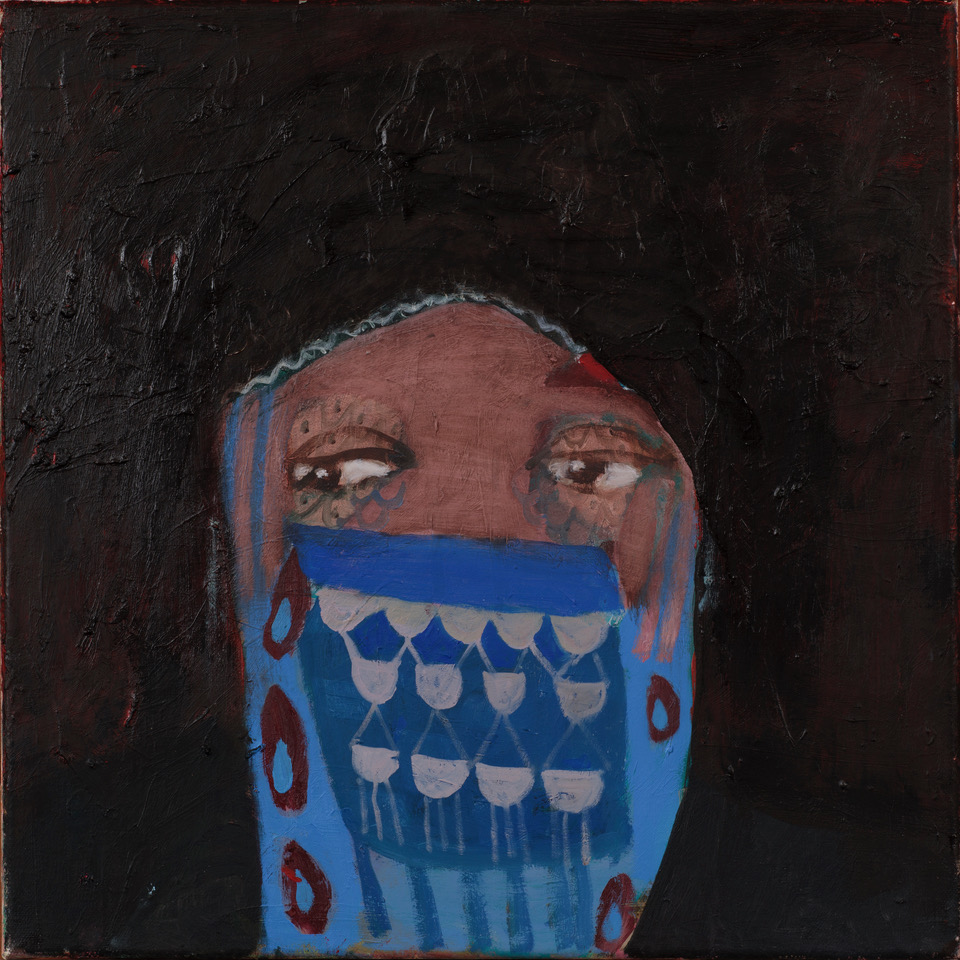
Featured Artwork Marie Claire Hamon: The Sorrow
We are thrilled to announce the first in a new series of Featured Artworks. On roughly a monthy timeline we will exhibit a single work from an artist we know or have recently been introduced to. We are proud to show this wonderful work,…
ON Network · 3 min read
Arts & Culture·28 July 2026
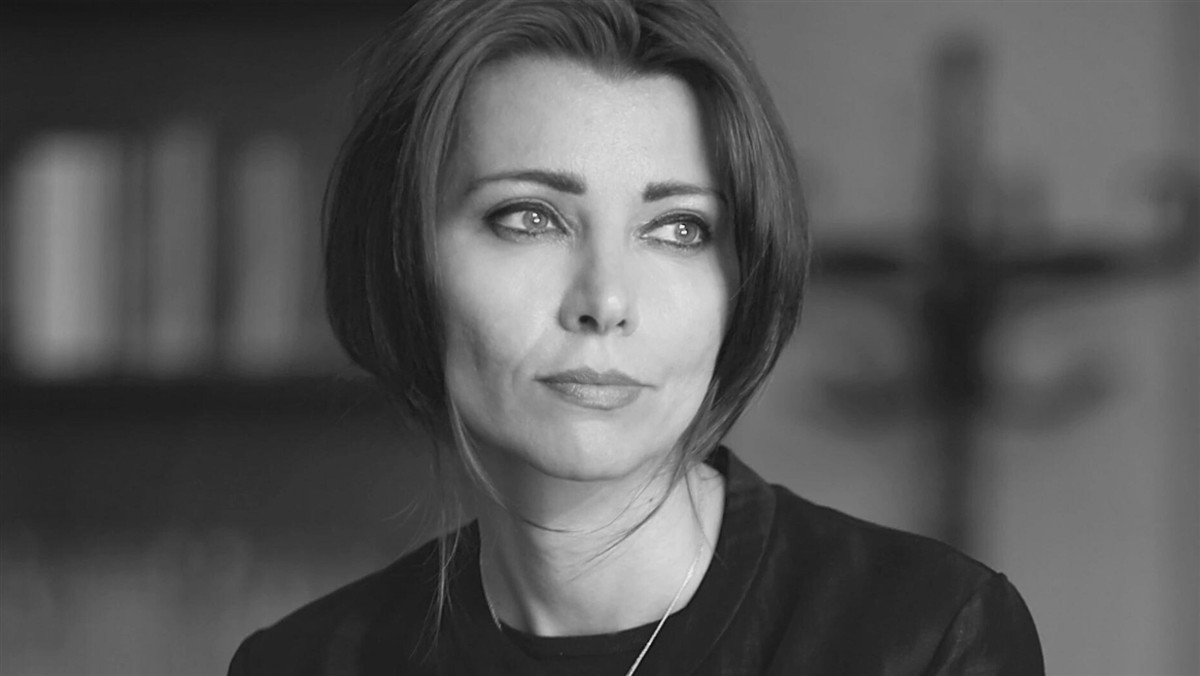
Featured Story: Voices for Now for Tomorrow Edition Two
Among the voices: ’We can either continue on our current path, a treacherous ‘new normal’and sleepwalk into a dystopian future, or we can wake up and turn things around for the better, for humanity and the planet.' Volker Turk, United…
ON Network · 1 min read
Arts & Culture·10 June 2026
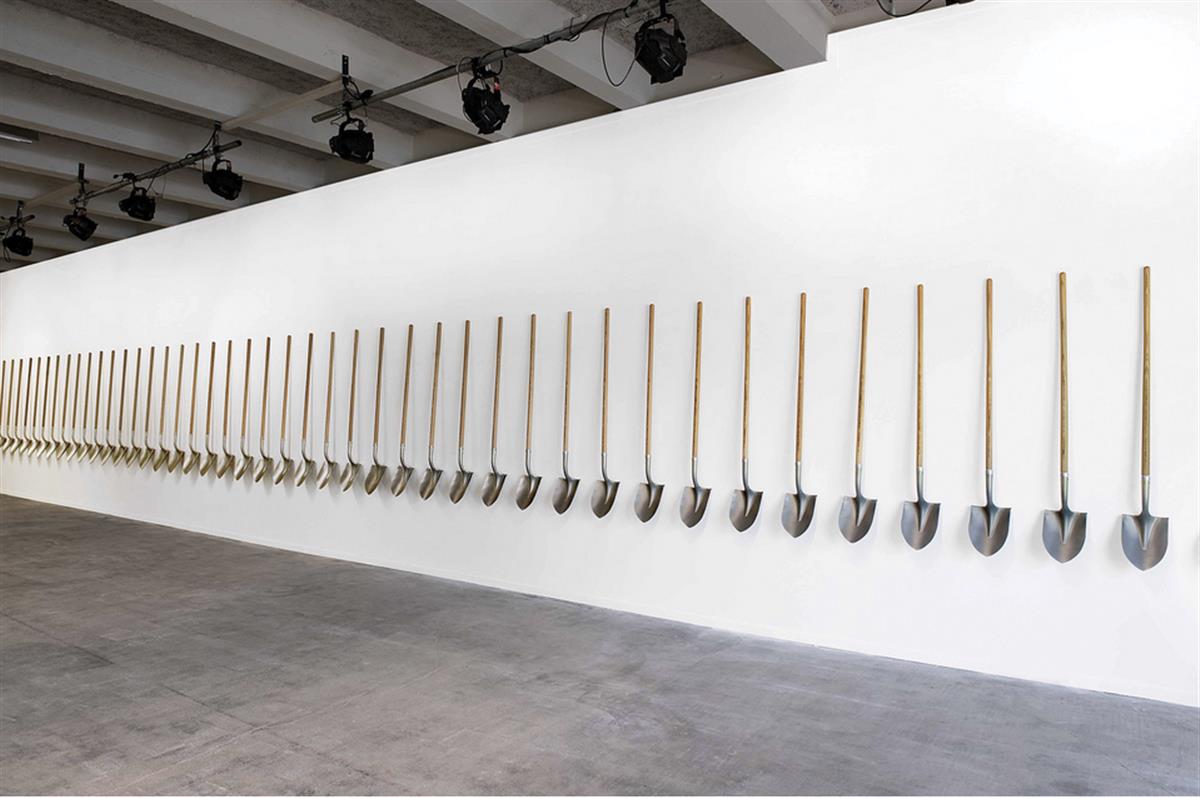
Featured Story: Mexican Artist Pedro Reyes Molds 1,527 Guns into Shovels Used to Plant Trees
Pedro Reyes is showing how an object used for harm can be molded into one that promotes life in a project titled “Palas por Pistolas.” Reyes, who originally is from Mexico City, collected 1,527 guns from the Culiacán area in Mexico. The…
ON Network · 1 min read