
Sustainability·3 January 2019
Solar-powered ambulance to save lives in Bangladesh
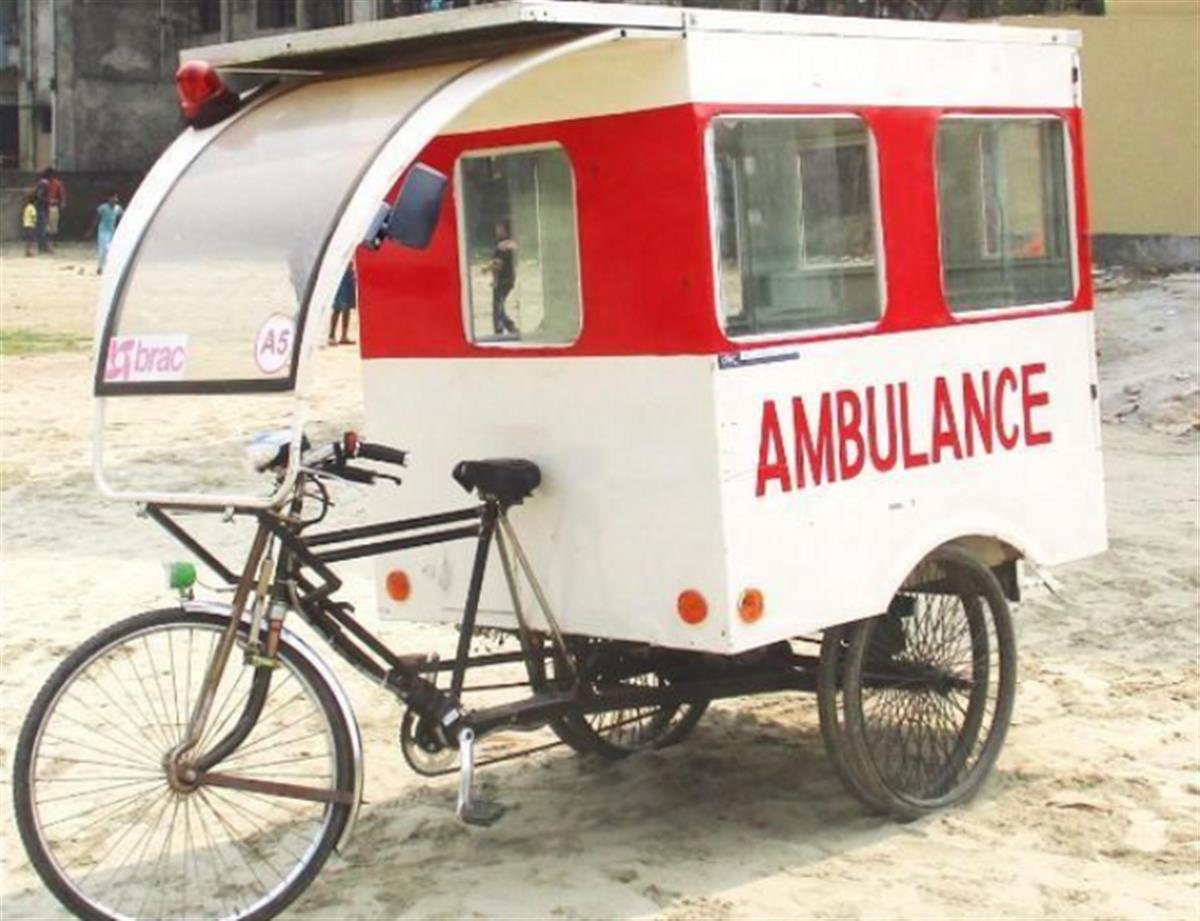
The solar three-wheeled ambulance can run entirely on solar power and is perfect for Bangladesh’s many rural areas without adequate services.
The solar three-wheeled ambulance can run entirely on solar power and is perfect for Bangladesh’s many rural areas without adequate services.
According to the developers, the ambulance is as well-equipped as the conventional ambulances used in Bangladesh’s cities and costs a fraction of the price at just $1,900 to $2,500 compared to at least $30,000.
The vehicle is able to accommodate three people, has a maximum speed of 9-12 miles per hour (15-20 kilometres per hour) and a range of up to 30 miles (50 kilometres).
The solar ambulance includes four 100-watt solar panels and can be used in rural areas with no grid electricity.
In addition, the vehicle’s bank of four 12-volt solar batteries mean the ambulance can also operate outside daylight hours.
In many rural areas, emergency patients are often taken to hospital in slow hand-pulled rickshaw vans, but the new, small three-wheeler ambulance is capable of travelling along narrow rural roads unlike larger conventional vehicles.
The project is the result of collaboration between BRAC University in Dhaka and local vehicle manufacture Beevatech.
The World Bank via Bangladesh’s Infrastructure Development Company Limited financed the project, with seed funding provided by the U.S. Institute of Electrical and Electronics Engineers.
Abdul Malek Azad, Professor at BRAC University and project leader, said: “I thought a low-cost ambulance service would be a good idea for these rural clinics. And by using solar power we can reduce operational costs and save the environment.”
The inspiration for the project came from solar-powered racing cars in Australia.
Azad said: “I thought if researchers can develop a solar racing car, there is potential to develop a solar ambulance.”
The vehicle is currently in the field testing stage and is expected to go into production by the end of 2017.
Azad went on to say: “The last layer of the development includes installation of a battery charging station (at a hospital or other site close by) that is completely fuelled by a solar canopy.”
SOURCE: CLIMATE ACTION - UNEP
Keep reading

Sustainability·19 April 2024
Transform landmark Indigenous rights declaration into reality: UN General Assembly President
COP28/Mahmoud Khaled - Women from the Brazilian delegation attend an indigenous event during the COP28 UN Climate Change Conference in Dubai, United Arab Emirates, in December 2023.
ON Network · 3 min read
Sustainability·1 April 2024
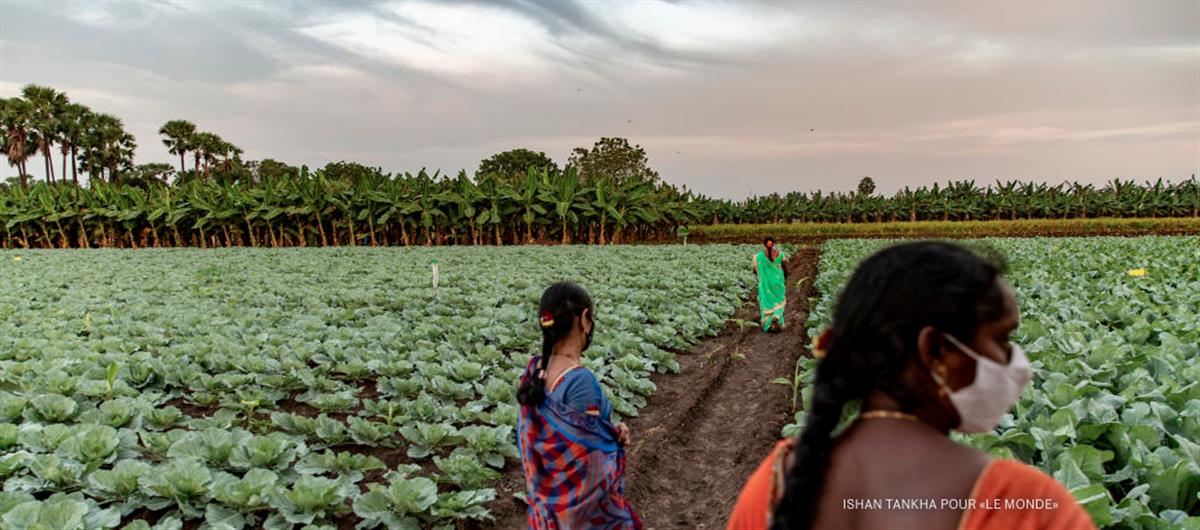
The biggest agroecology project in the world: in India, Andhra Pradesh is banking on "zero budget natural agriculture"
An Indian State converts its 6 million farmers to agroecology. Andhra Pradesh, a state in south east India, opens the way with the largest agro-ecological project in the world and a plan to feed all its population without use of…
ON Network · 1 min read

Sustainability·21 September 2022
The 2022 Global People’s Assembly and a New Multilateralism
In his Our Common Agenda , the UN Secretary-General called on Member States to give “serious consideration” to the idea of an “annual civil society caucus in conjunction with the General Assembly’s high-level week.” Fortunately, such a…
ON Network · 4 min read