
New Museum·19 July 2019
‘Hard Truths to Face’: Tate Declares ‘Climate Emergency’
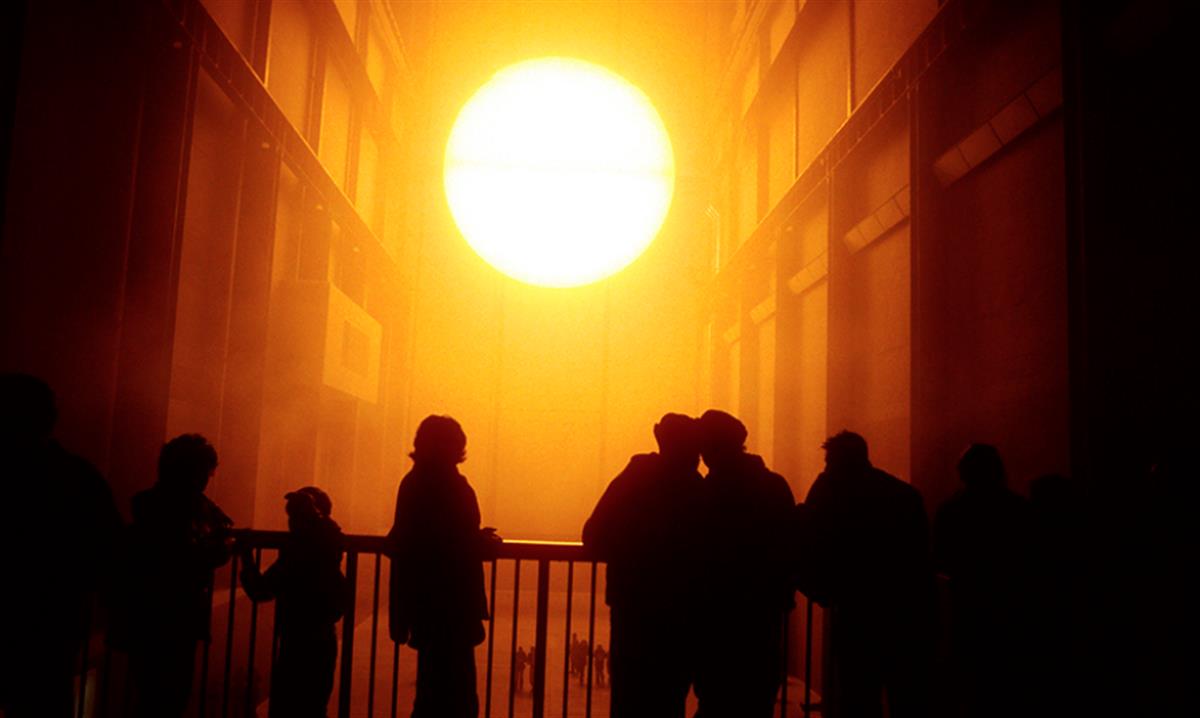
Olafur Eliasson, The Weather Project , Tate Modern, London, 2003. Courtesy: Getty Images, Photofusion/UIG
Olafur Eliasson, The Weather Project, Tate Modern, London, 2003. Courtesy: Getty Images, Photofusion/UIG
‘Hard Truths to Face’: Tate Declares ‘Climate Emergency’
The directors have pledged to ‘respond with actions’ across the Tate galleries ‘to effect and inspire change’
In a statement released today, 17 July 2019, the Tate’s directors have declared ‘a climate emergency’. They wrote: ‘We have reached a defining moment in the history of our planet and the cultural sector has a unique part to play in effecting change’. The directors pledged ‘to respond with action’ across the Tate galleries, comprised of four UK museums: London’s Tate Modern and Tate Britain, Tate Liverpool and Tate St Ives.
The Tate directors’ statement cited the institution’s commitment to reducing its carbon footprint ‘by at least 10 percent by 2023’, switching over to a green electricity tariff across its four galleries, and sourcing sustainable food among other ‘green museum principles’. Their statement also highlighted ‘some hard truths to face about how we operate’, including the energy consumption of large public buildings and the international movement of artworks.
‘As our audiences and communities across the world confront climate extinction’, the directors wrote, ‘so we must shine a spotlight on this critical issue through art.’
The Tate’s declaration of a ‘climate emergency’ follows last week’s opening of a major Olafur Eliasson retrospective at Tate Modern, which includes several installations, sculptures, photographs and paintings reflecting on life in the age of climate emergency.
Tate ended its own sponsorship deal with BP, which lasted nearly three decades, in 2017. The oil giant cited an ‘extremely challenging business environment’ rather than years of protests and criticism over the deal, as the reason for ending the relationship.
There has been increased scrutiny over arts institutions’s links to fossil fuels in recent months. On 21 June, actor Mark Rylance resigned from the Royal Shakespeare Company over its sponsorship links to BP. Earlier this month, almost 80 artists including five former Turner Prize winners called on London’s National Portrait Gallery to end its BP deal. Last week, the novelist Ahdaf Soueif resigned her position on the British Museum’s board of trustees, citing a variety of factors including the London institution’s continued reliance on BP sponsorship.
Writing in frieze this month, Mel Evans called for arts institutions to cut ties with fossil fuel companies. ‘For as long as the oil companies benefit from the shiny flow of the country’s most-loved cultural institutions,’ Evans wrote, ‘they will continue to maintain their outdated business model and refuse to do the right thing by the climate.’
SOURCE: FRIEZE
Originally published by the source
Keep reading

New Museum·14 April 2026
Featured Story: A knowledge transporter in Afghanistan
School teacher Saber Hosseini from Bamyan, Afghanistan, cycles more than an hour to deliver books to children in remote villages in the province.
2 min read

New Museum·27 November 2025
Featured: Utopia For Realists - and how we can get there.
Visited the Wellcome Collection yesterday and came away with Utopia For Realists (ON Ed) Utopia for Realists is one of those rare books that takes you by surprise and challenges what you think you know. Rutger Bregman takes us on a journey…
1 min read

New Museum·16 October 2025
Featured Archive Story: Ubuntu - I am because we are
An anthropologist proposed a game to children in an African tribe. He put a basket of fruit near a tree and told the children whoever got there first won the sweet fruits. When he told them to run they all took each others hands and ran…
2 min read