
Charities·15 January 2021
Early childhood development in conflict-affected countries is key to life-long health, wellbeing and prosperity, says WHO and partners
In 2018, more than 29 million children were born into conflict-affected areas, and an estimated 43% of children under-5 years in low- and middle-income countries—inclusive of humanitarian contexts—are currently at risk of not reaching…
Early childhood development in conflict-affected countries is key to life-long health, wellbeing and prosperity, says WHO and partners
By World Health Organization • 14 January 2021
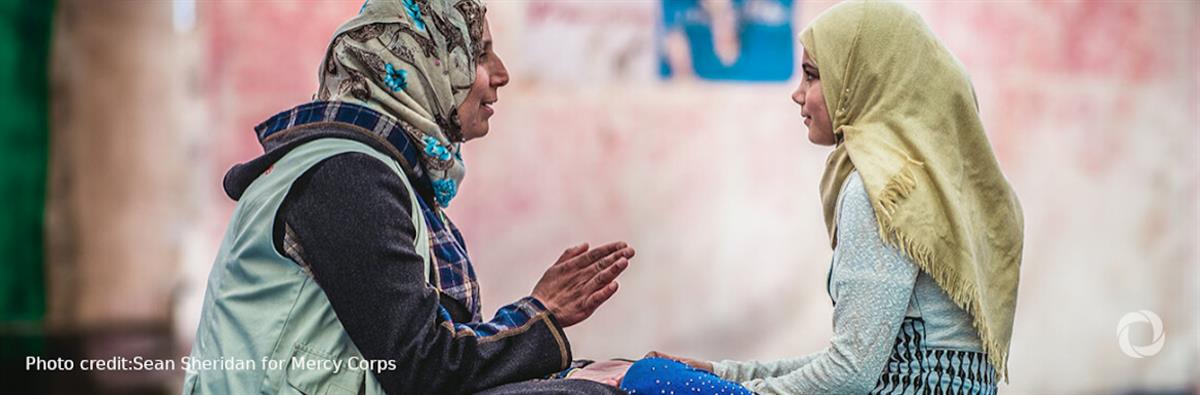
The early years in a child’s life are critical in building a foundation for optimal development through a stable and nurturing environment. However, for infants and young children living in humanitarian settings, risks such as forced displacement, migration, malnutrition, limited access to health services, and insecurity threaten their chances to survive and thrive.
In 2018, more than 29 million children were born into conflict-affected areas, and an estimated 43% of children under-5 years in low- and middle-income countries—inclusive of humanitarian contexts—are currently at risk of not reaching their developmental potential. As the number of crisis-affected people continues to rise, so the proportion of future generations who experience severe distress will also increase.
WHO, UNICEF, the Partnership for Maternal, Newborn & Child Health, International Rescue Committee, and ECDAN launched a new thematic brief, Nurturing care for children living in humanitarian settings, highlighting actions countries must take to strengthen nurturing care and minimize the impact that emergencies have on the lives of young children and their families.
“Every moment, whether you are feeding children or reading them stories is an opportunity to ensure they are healthy, receive nutritious food, are safe, and learning about themselves, others and their world,” says Bernadette Daelmans, WHO unit head for child health and development. “We must ensure young children and caregivers receive the early interventions they need to thrive, even in humanitarian settings.”
Nurturing care comprises of five interrelated and indivisible components for optimal early childhood development: good health, adequate nutrition, safety and security, responsive caregiving, and opportunities for early learning.
As part of the Nurturing care framework and WHO’s guideline, Improving early childhood development, the brief provides the following recommendations:
- All infants and children receive responsive care during the first 3 years of life; and parents and other caregivers are supported to provide responsive care.
- All infants and children have early learning activities with their parents and other caregivers during the first 3 years of life; and parents and other caregivers are supported to engage in early learning with their infants and children.
- Support for responsive care and early learning should be included as part of interventions for optimal nutrition of infants and young children.
- Psychosocial interventions to support maternal mental health should be integrated into early childhood health and development services.
While these recommendations are for all settings, interventions implemented in emergencies may be adjusted based on the length and type of humanitarian, security, or displacement factors at play in a given context. The brief calls on stakeholders across sectors to raise awareness about nurturing care and work together to craft early childhood development policies, plans, services, and tools before, during, and after a crisis.
SOURCE: DEVELOPMENT AID
Keep reading
Charities·21 May 2026
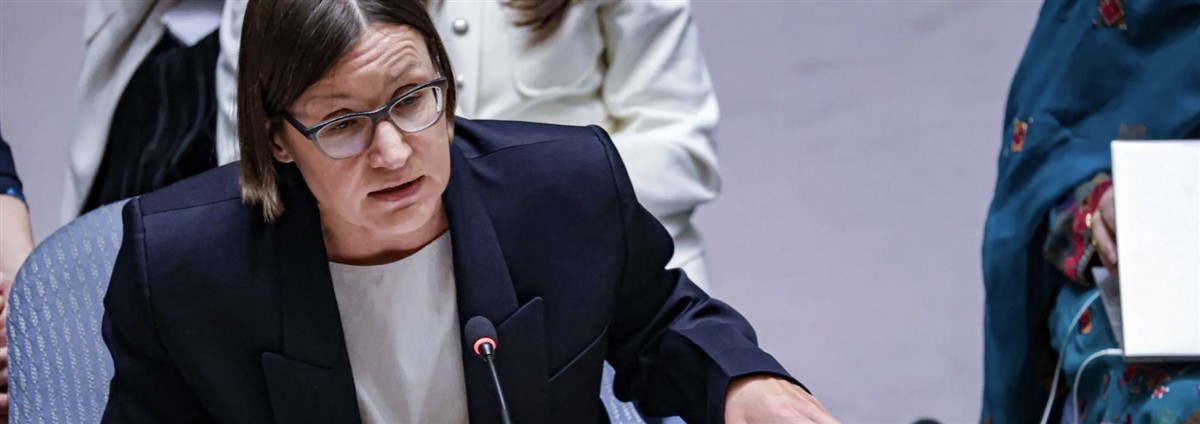
"We can no longer pretend that what we are witnessing across war zones is in accordance with the law"
Speech given by Mirjana Spoljaric, President of the International Committee of the Red Cross, at the UN Security Council Open Debate on the Protection of Civilians in Armed Conflict – 20 May 2026, New York
INTERNATIONAL COMMITTEE OF THE RED CROSS · 4 min read
Charities·16 March 2026
Featured Story: Birdsong returns to the hills of Bemolanga
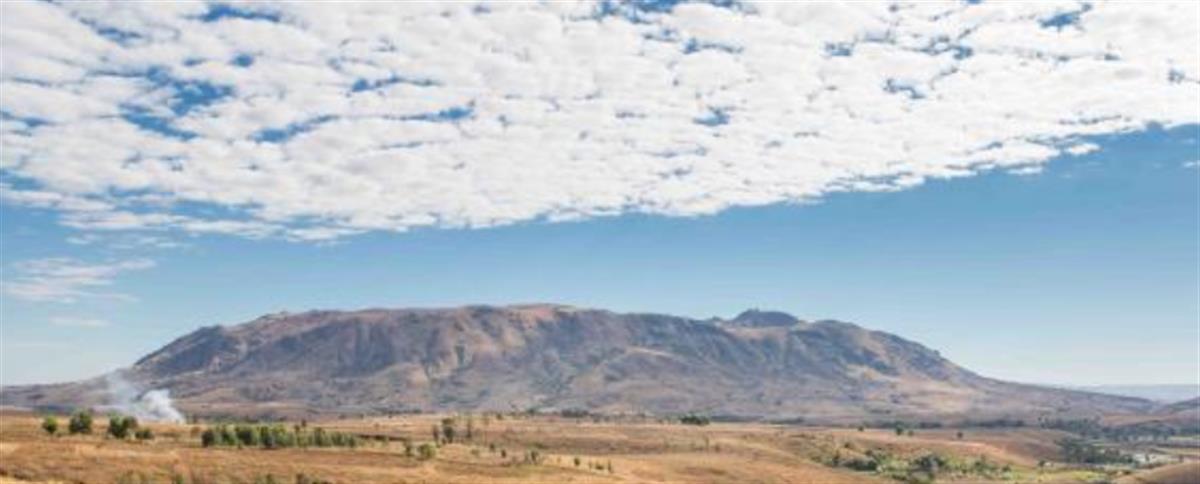
The hills surrounding Ahbohibary Kofay used to be filled with birdsong, says Lydia, who tends a small rice paddy outside the tiny village at the bottom of Bemolanga valley. That was until this area in Western Madagascar was laid to waste…
UNEP · 4 min read

Charities·16 November 2025
Featured Story: Philanthropy is adopting a new tool for impact: Futures thinking
There are three practical ways Forum uses futures to build collective capacity to respond to uncertainty and deliver on impact. Ariel Muller , Forum’s Director of Futures and Strategic Initiatives, explores the practices in this blog, the…
ON Network · 6 min read